
Edes Building

AIA CA DA TheEdes Image MikeSchwartz copy feature

In the shadow of San Francisco Bay Area cities with major fine arts venues, Morgan Hill was without a signature art gallery of its own. The owner and gallery director aimed to create a local fine arts venue that, in its own way, rivaled some of the larger arts institutions in surrounding areas while reflecting a local, contemporary art sensibility.

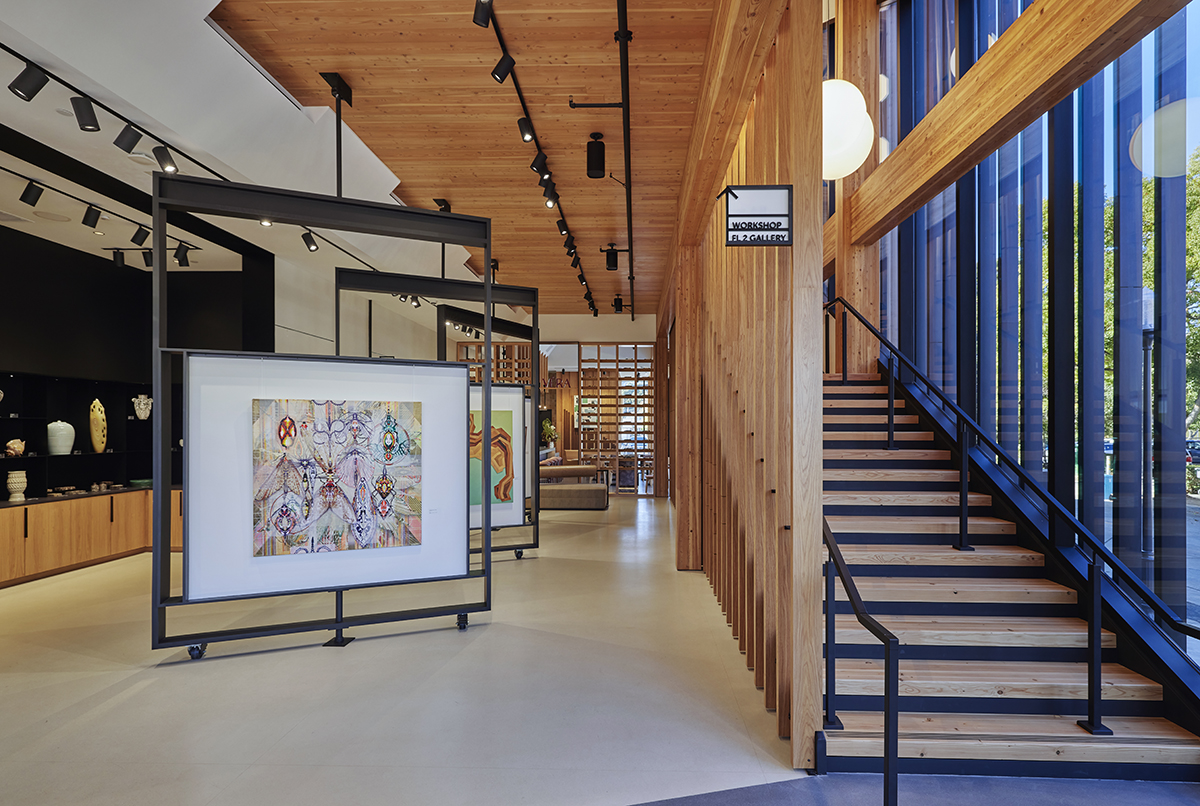
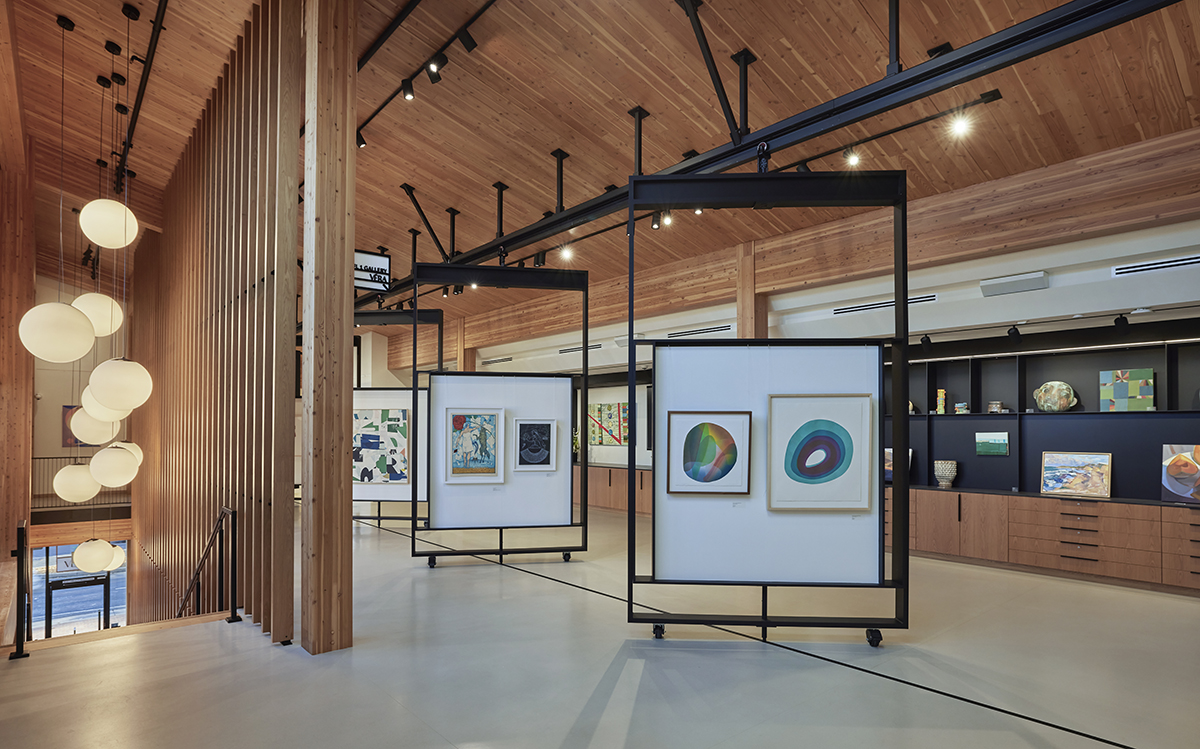
The program of the building includes art display, interactive art storage, a café and the flexibility to rearrange the second floor space from gallery to gathering space that hosts public art workshops.

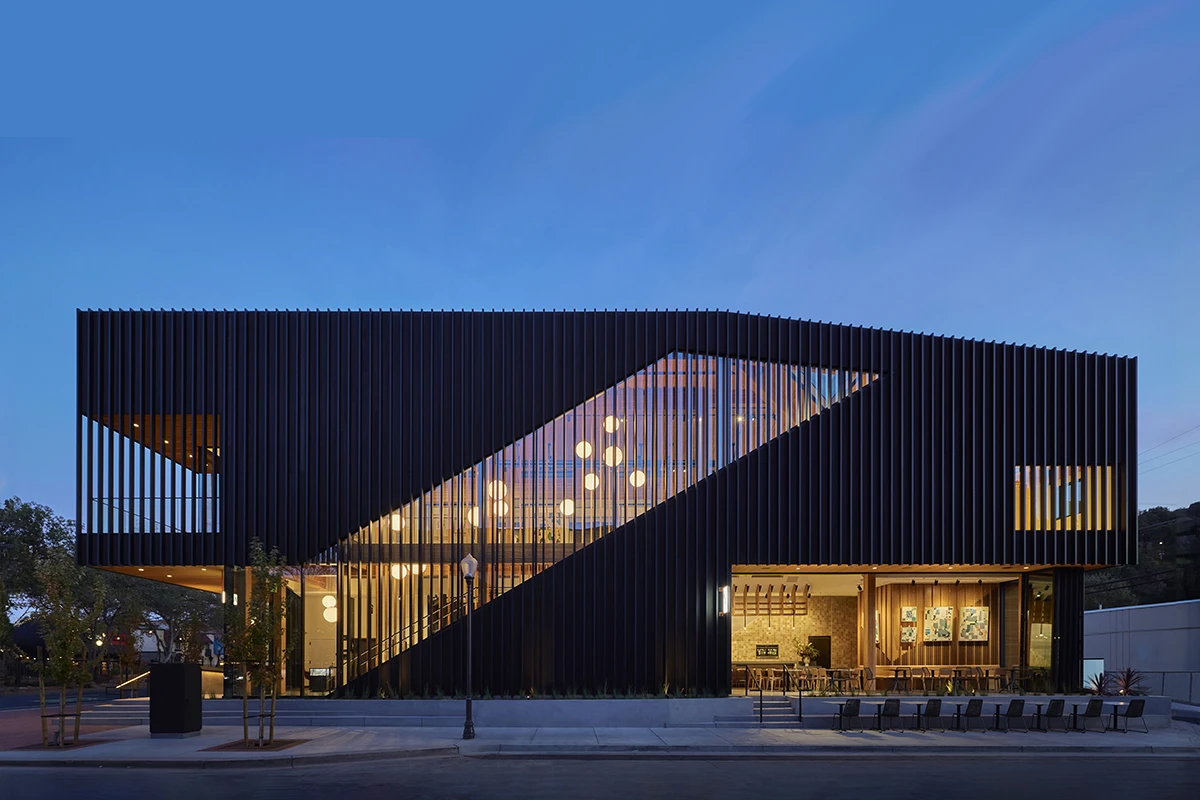
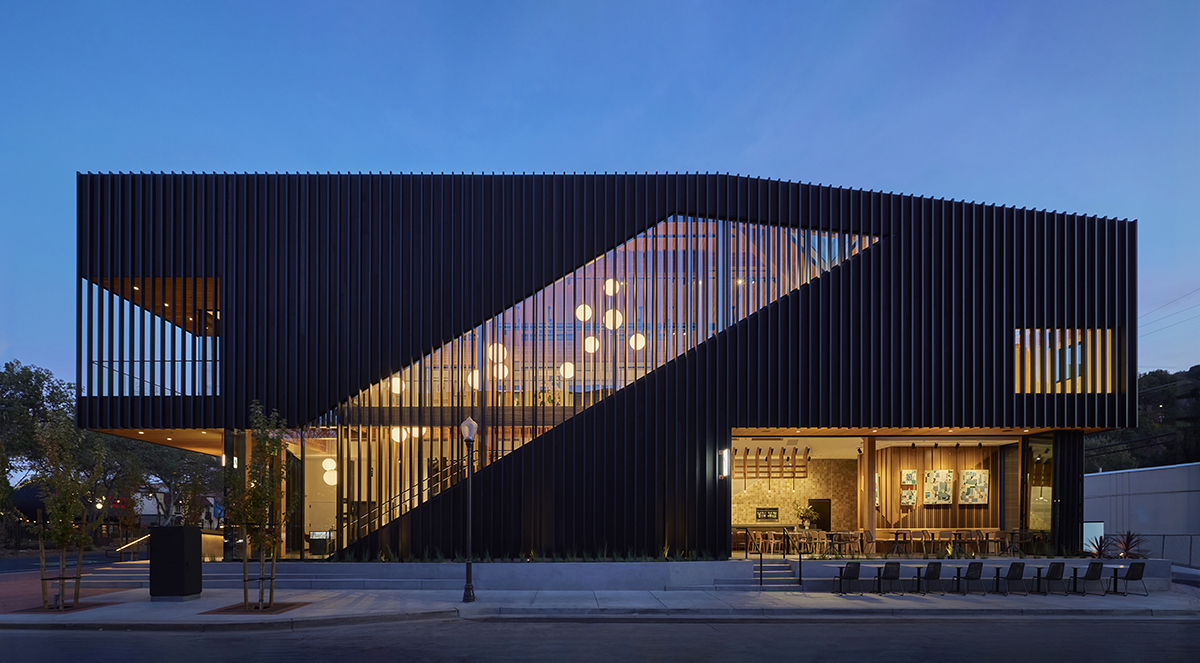
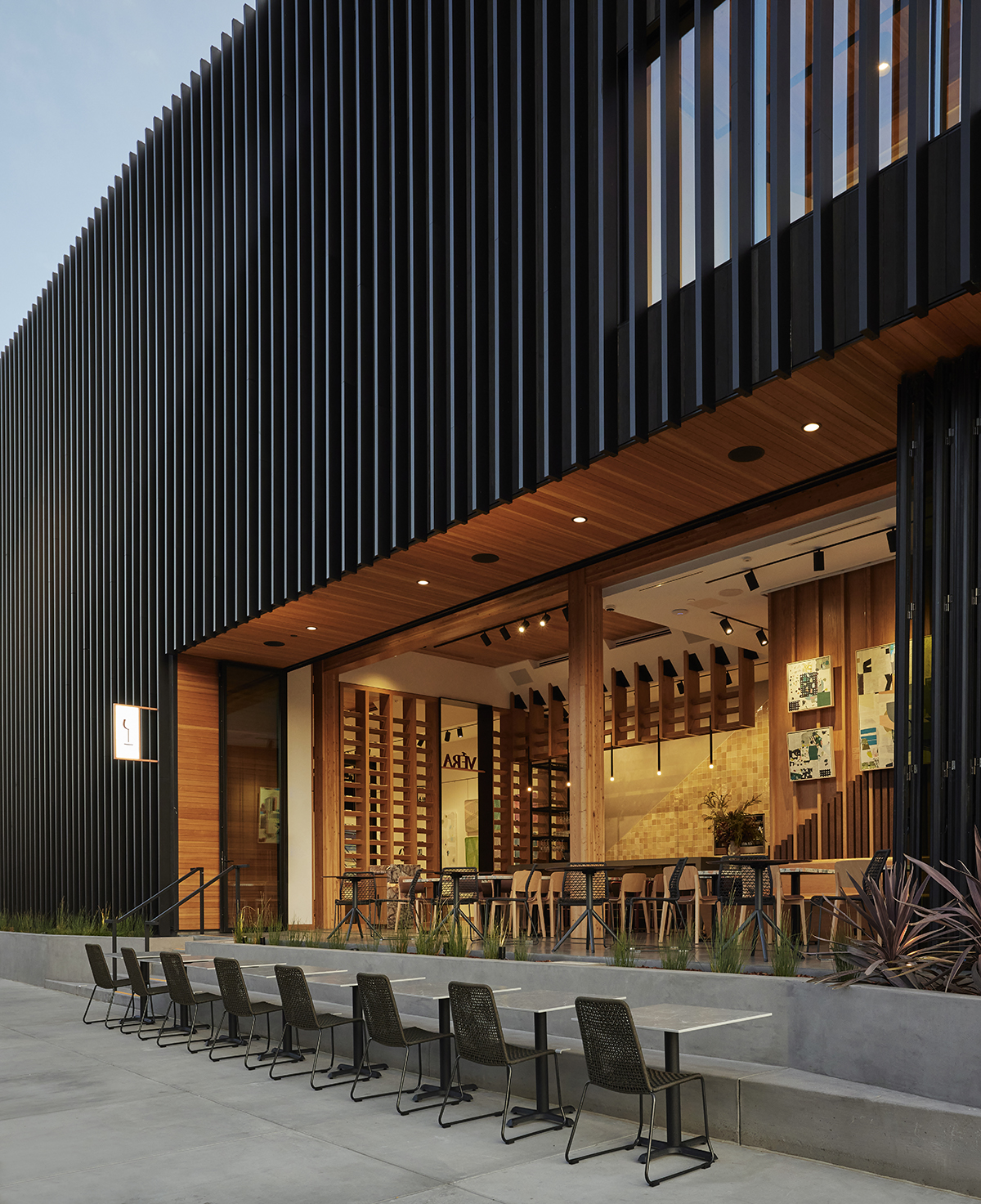
By filling in a gap in the historic town’s main street, the gallery helps to create a more vital, walkable heart in Morgan Hill. Because the gallery floor needed to be raised above sidewalk level to comply with new floodplain requirements, the base of the building was conceived as a concrete plinth that incorporates a ramp, planters and banquette seating to act as an urban interface between the sidewalk and gallery. A screen of vertical battens shields the gallery from western sun while creating a dynamic street presence.

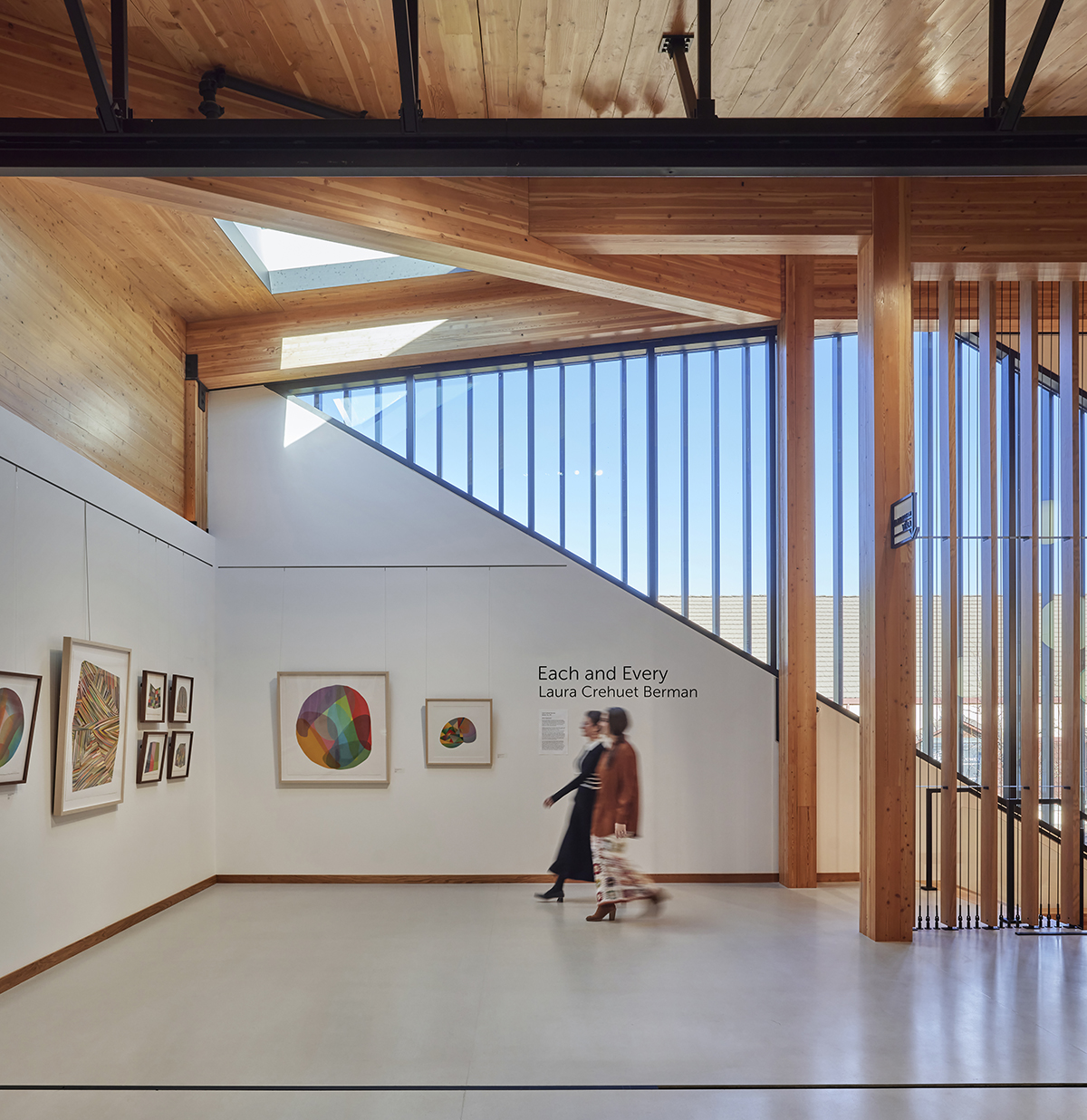
In using exposed natural materials, the building design intends to remind users of the beauty and importance of the natural, hilly landscape that surrounds the town of Morgan Hill. The roofline of the gallery references the slope of El Toro, a local peak that is a landmark in the city. The gallery’s interior spaces resonate with the warmth of the exposed mass timber structure, which is echoed in the fittings and millwork. The primary exterior materials are clear stained fir siding and shou sugi ban siding.

The gallery draws the user into the building towards art, then orients outwards toward views of the town and hills beyond, emphasizing the building and user’s connection to this specific place.

//jury comments

A beautifully executed jewel box of a small building that has a very clear concept that is born out in its form, its structure, its materiality and the detailing. There’s an equivalency between the care that was taken with both the exterior facades, some very strategic urban gestures, opening the building up to the community, all the way to the fun and innovative exhibit designs that are integrated into the architecture.
//framework for design excellence measures
Measure 1: Design for Integration
Through the use of exposed natural materials, the building design intends to remind users of the beauty and importance of the natural, hilly landscape that surrounds the town of Morgan Hill. The interior spaces resonate with the warmth of the exposed mass timber structure, which is echoed in the fittings and millwork. The primary exterior materials are clear stained fir and shou sugi ban siding — both expressing natural finishes.
Measure 2: Design for Equitable Communities
Local stakeholders were informed of the project through postings on site and through a public approval process. The most vocal stakeholders included elected officials of the City, as well as Planning staff due to the location of the site, which was a long-vacant lot at the intersection of the two main streets in the center of the historic downtown. The design of the project filled in this gap in the urban fabric. The height and massing of the gallery help transition from adjacent one-story neighbors to taller buildings along the street.
Measure 3: Design for Ecosystems
Morgan Hill is unique in the way that the natural environment (rolling hills with occasional oak groves) is very close to the center of the city. The massing of the gallery mimics the slope of a prominent local peak (El Toro) and also focuses direct views to the surrounding hills from inside the gallery, as a reminder of the connection to nature.
Measure 4: Design for Water
The most important effort on this project was to avoid the pollution of stormwater making its way to the San Francisco Bay. The BASMAA (Bay Area Stormwater Management Agencies Association) plan for best practices was rigorously followed during construction.
Measure 5: Design for Economy
Although this project was relatively expensive compared to adjacent retail buildings, part of the costs (besides the high level of finish) are due to the ways in which flexibility and adaptability were designed into the building. The second floor art display walls, in addition to pivoting, can slide out of the way vie floor and ceiling tracks, creating an open space for multiple uses. Whereas the current use of the building is 3/4 gallery and 1/4 cafe, there is great flexbility in how the buidling could be easily adaptied to a variety of mixed-uses over time.
Measure 6: Design for Energy
Most of the building’s glazing faces Southwest due to the location of the site. The design of the gallery incorporates vertical fin batten that cover the entire west side of the building, cutting off glare and heat gain from the western sun.
Measure 7: Design for Well-Being
The gallery’s structural system is mass timber, which is left exposed to create a warm, welcoming natural interior.
Measure 8: Design for Resources
Mass timber was identified early in the design process as a structural system that would lower the building’s embodied carbon, as well as avoid excessive use of gypsum by leaving the structural system exposed.
Measure 9: Design for Change
Like many historic industrial buildings constucted with heavy timber, this building is inherently flexible to changes in use. As time goes on, the retail use can easily change and adapt to new needs due to it’s large bay size.
Measure 10: Design for Discovery
The design of the gallery was a unique collaboration between the owner, the gallery director and the design team. This collaboration allowed the gallery director’s artistic sensibilities to influence the design, creating a unique, site-specific approach to the display and storage of art that creates a sense of the value and impact of local community artists in a vibrant way. Art storage and display is integrated into the architecture of the buidling, creating moments of delight as users interact with the architecture.
Skip to content