
Cole Valley Residence

feat image dpi Damonte Jensen Architects copy

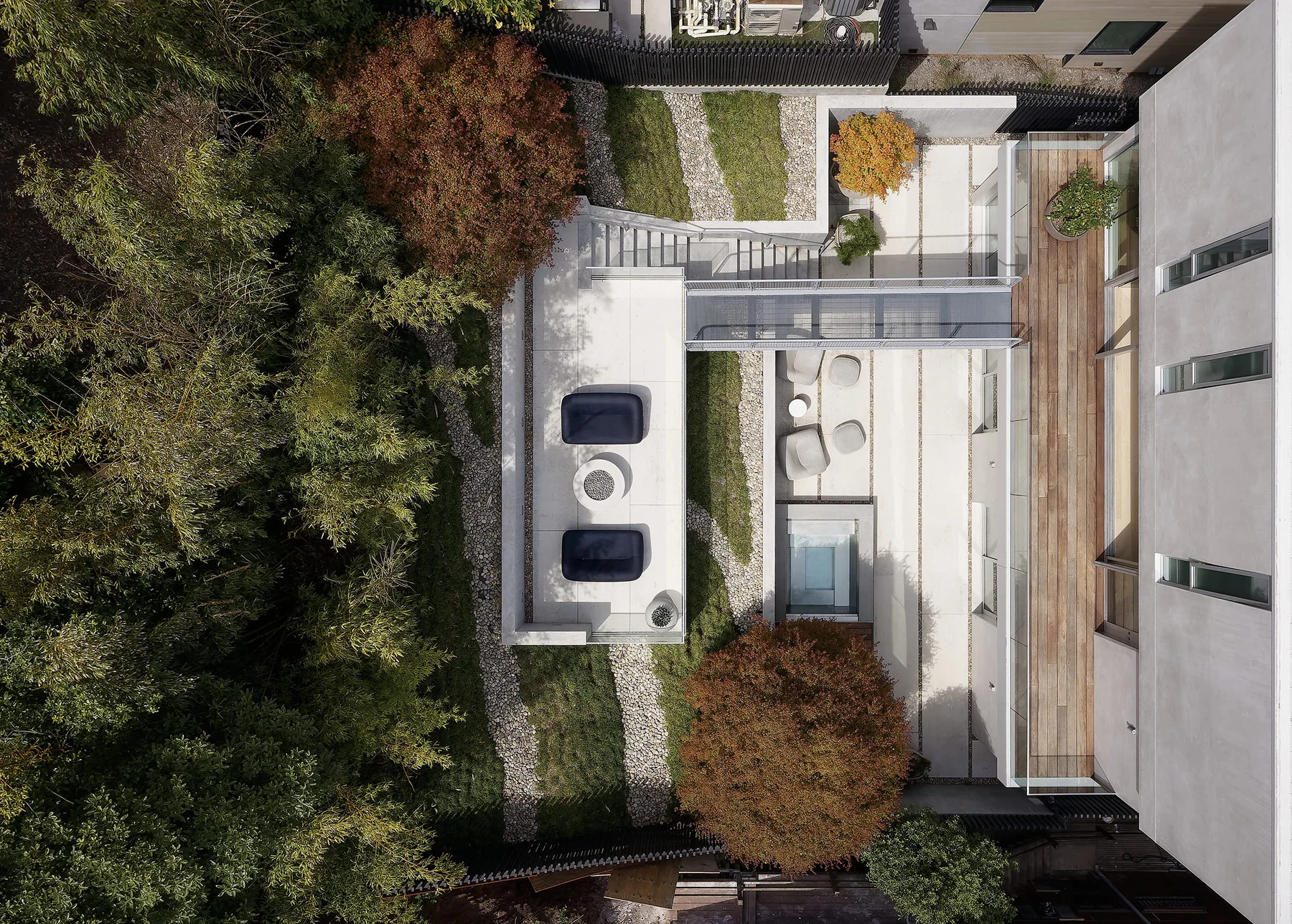
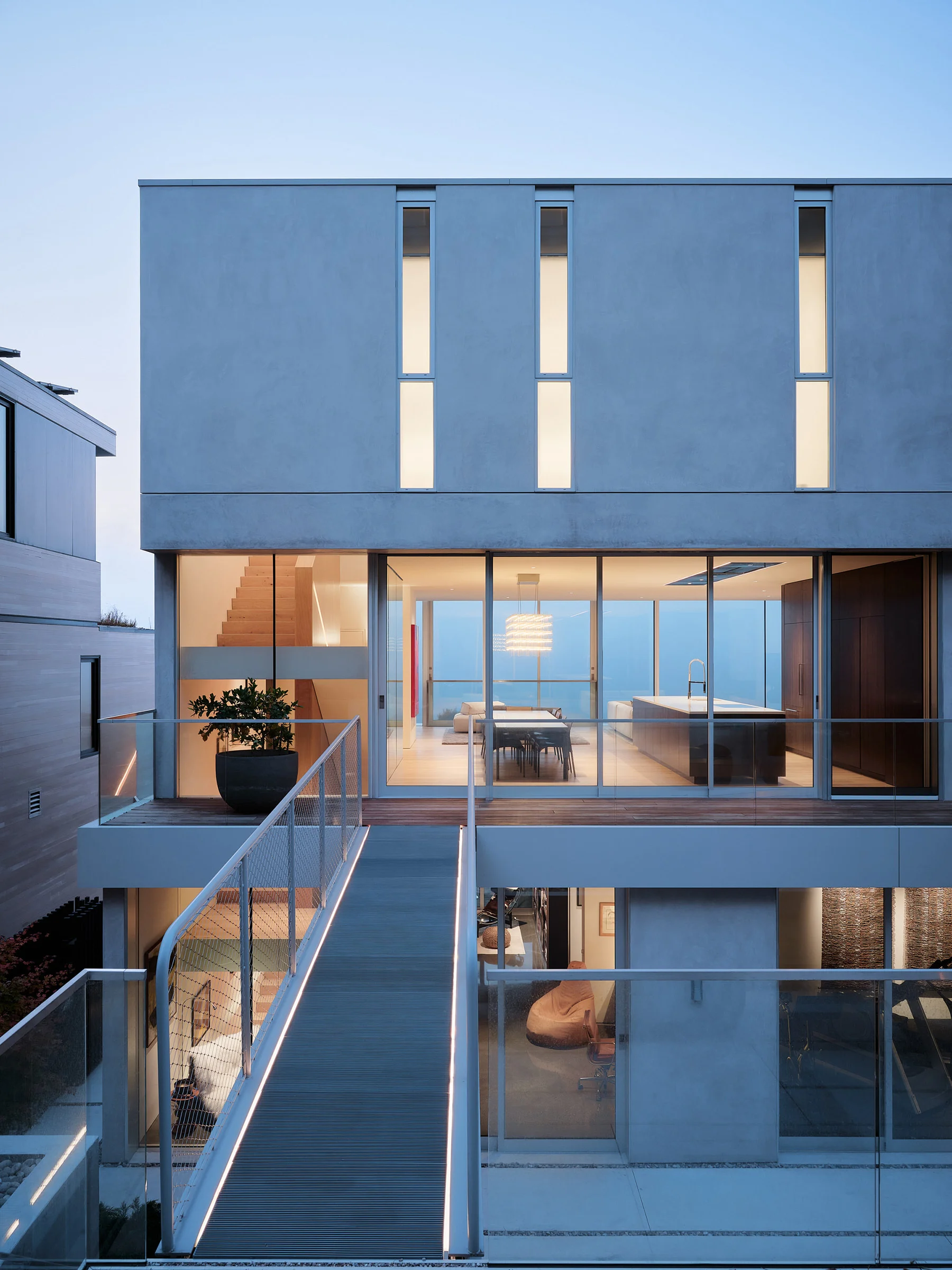
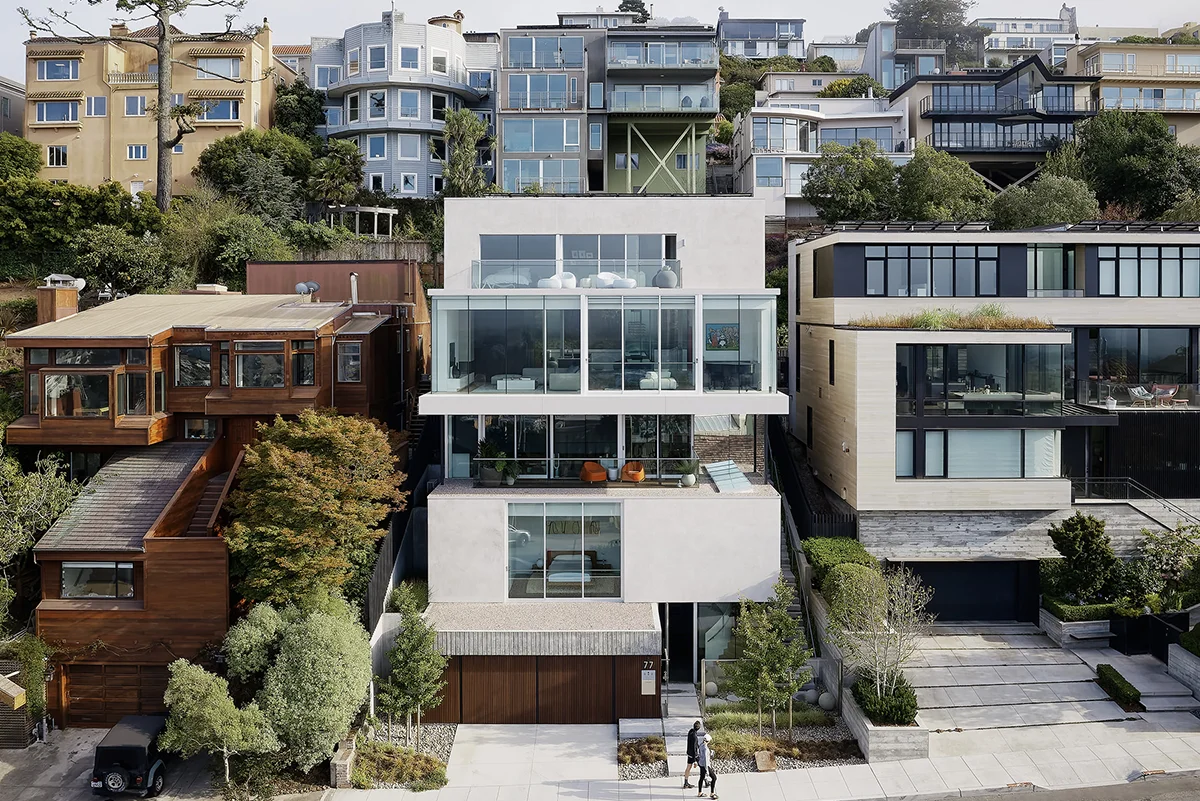
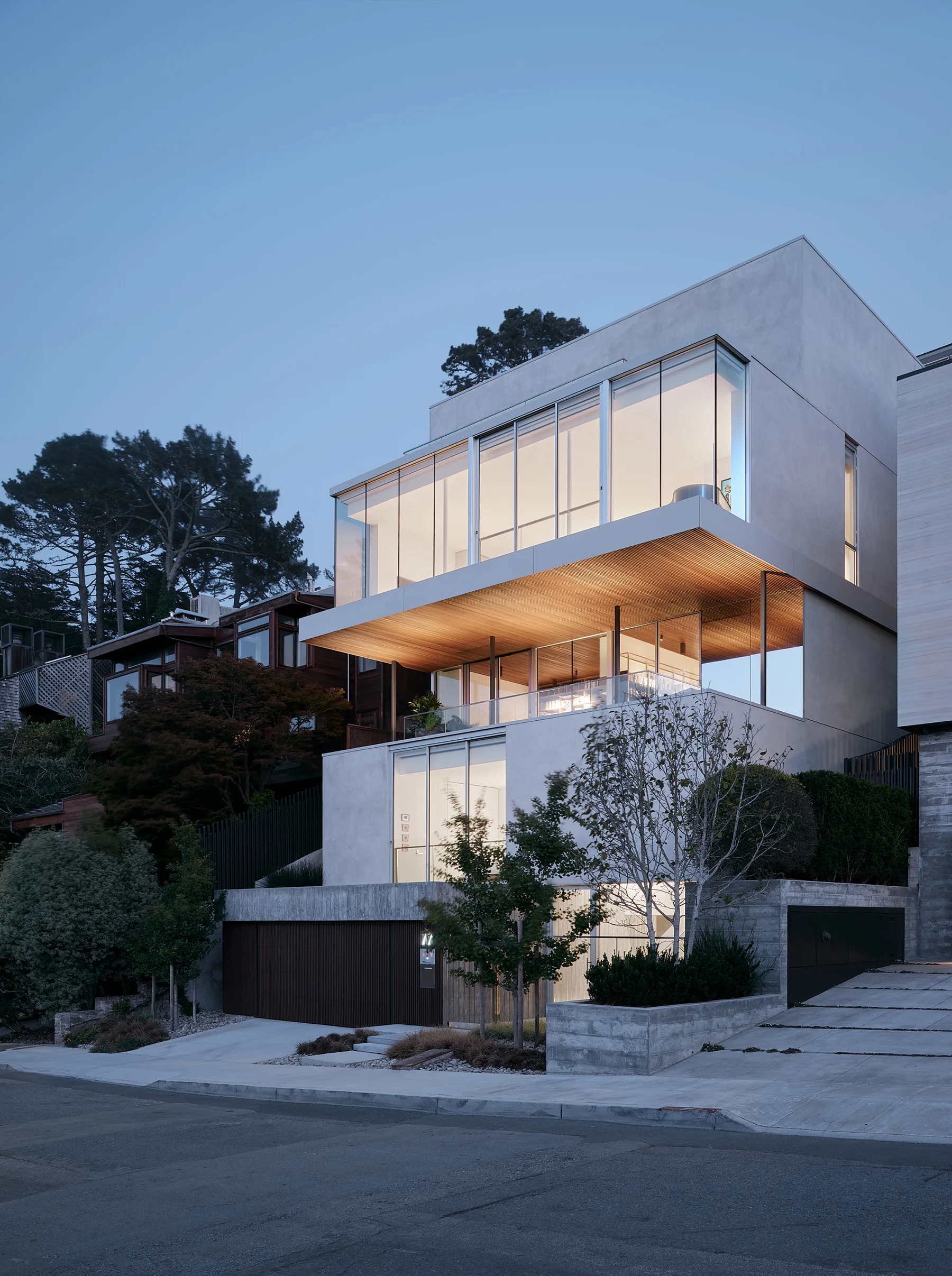
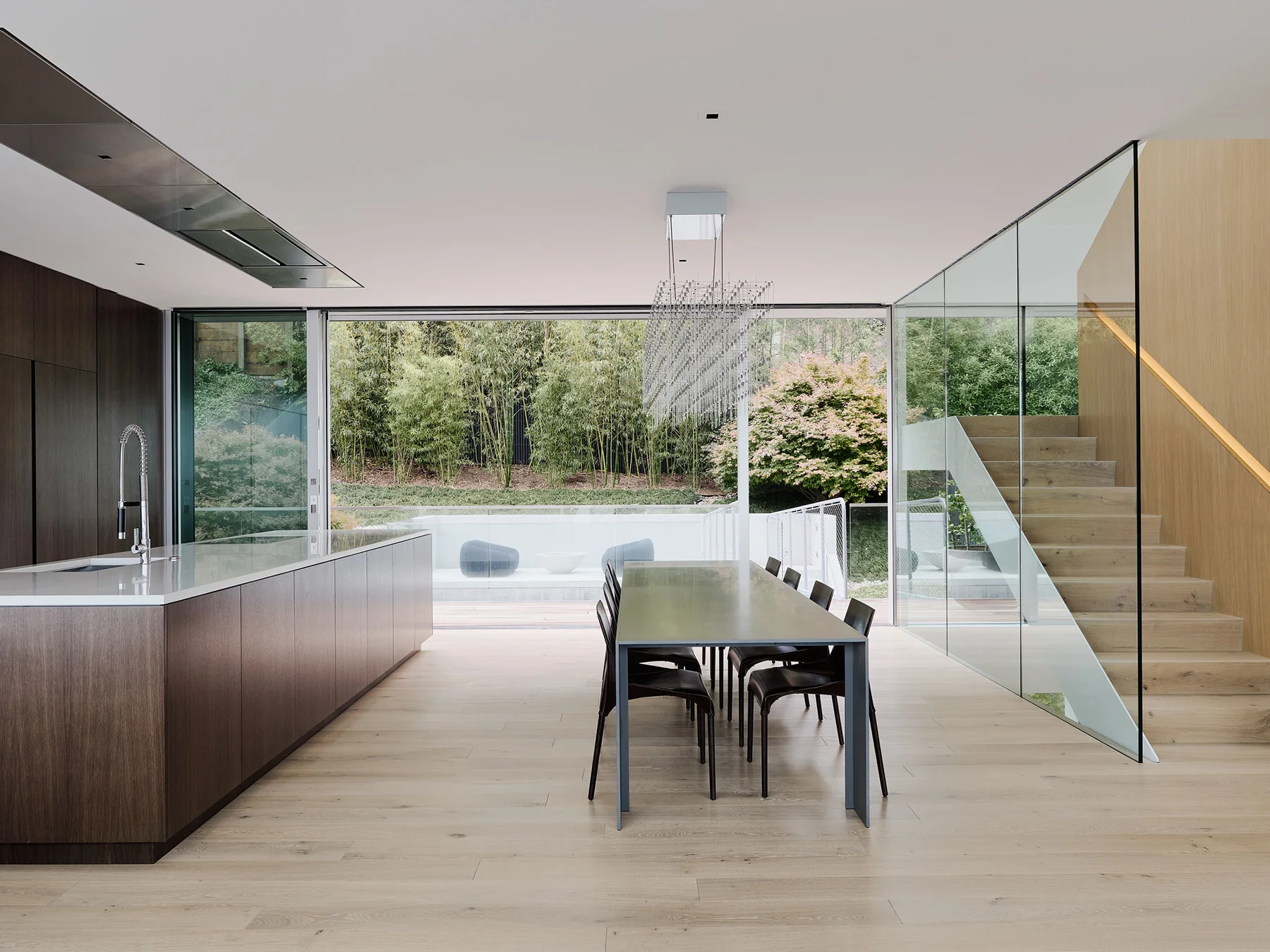
The Cole Valley Residence responds to its unique hillside site, while looking outward to the city and bay beyond. Located along the slopes of Twin Peaks, the single-family home is situated on a steep hill that was a key element in the massing. The home is a series of five stacked volumes, including a heavy and articulated concrete base meant to give the impression of being embedded in the earth. A floating main living level maximizes the horizontal expression of the house, taking advantage of the unusually wide 50-foot lot, and provides a picture window to stunning San Francisco views. Other levels shift and terrace with the hillside, providing a variety of spaces and giving access to multi-level rear yard patios.

//comments

A home that takes full advantage of the views. The indoor-outdoor relationships are seamlessly and thoughtfully connected in-spite of the steep sloping site conditions. The project is realized by someone who really understands this area of San Francisco and is a master of section. The interior is finely detailed with a simple and limited palette allowing the view to speak for itself.
//framework for design excellence measures
Measure 1: Design for Integration
“The home is designed for indoor-outdoor living in connection to nature, maximizing access to light and air. On warm days, large sliding glass doors and operable windows provide cooling cross ventilation as an operable skylight above the main stair utilizes stack effect to relieve the home from warm air. At the main bedroom, supplement cooling is provided by a ductless electric heat pump, generating an area of refuge during extreme heat or smoke events.
The house is heated by a radiant hydronic system installed in a cementitious substrate that provides thermal mass and minimizes energy input. Smart thermostats control heating demands at each room, allowing the clients to align energy use with their living patterns. Continuous exterior insulation and high performance glass help enhance thermal comfort. At the roof, photovoltaic panels capture solar energy, providing electricity for the home and supplying a battery storage system. Together, they offset energy consumption and provide resiliency in the event of a power outage.
The landscape design deftly integrates permeable ground cover, french drains and an undulating, topographic design to help absorb and redirect stormwater run-off. Climate-appropriate plantings including a dense thicket of timber bamboo, provide habitat for birds and beneficial insects.”
Measure 2: Design for Equitable Communities
Seeking to respect neighbor’s views and the character of the street, adjoining neighbors participated in reviewing the design. The design team assisted in communications with neighbors, including producing massing and daylight studies to address their comments.
Measure 3: Design for Ecosystems
Site improvements including stormwater management stabilizes the site. The landscape design introduces climate-appropriate plants that provide habitat for birds and pollinators. Inspired by Asian garden traditions and the client’s nod to feng shui, the landscape responds strongly to the site’s topography. A dense thicket of Phyllostachys vivax (Timber Bamboo) screens the residence from its uphill neighbors and also provides excellent habitat for birds and a variety of insects such as beetles.
Measure 4: Design for Water
The design integrates permeable ground cover, french drains and an undulating, sculptural topography to help manage stormwater run-off. A series of earth mounds ripple down the hillside and redirect surface water runoff to planting areas that resemble undulating mountains as depicted in a traditional Chinese landscape painting–an inspiration for the design. The earth mounds are organized around undulating bands of porous ground cover that helps capture stormwater. Low flow fixtures and drought tolerant plantings reduce water use.
Measure 5: Design for Economy
Designed to facilitate the clients’ vision of aging in place, the main living areas are clustered together at the top, with access to views, outdoor space, and hillside breezes. Additionally, a small elevator allows for future life on a hill, anticipating decreased mobility. Program at the lower levels of the house is designed for use by a caretaker, with privacy and ready access to the street-level entrance. The five shifting volumes respond to the site and define spaces appropriately scaled for their purpose. The residence supports a live-work lifestyle that minimizes car trips and anticipates change.
Measure 6: Design for Energy
The home relies primarily on passive design strategies to reduce energy use. Large sliding glass doors and operable windows provide cross ventilation for the house, while robust insulation and high-performance glass enhance interior comfort during cooler or hotter days. Shifting volumes create terraced decks, expanding usable areas without increasing energy consumption. Photovoltaic panels and a Tesla Powerwall further offset energy use, generating 93% of the electricity used in 2021. The stacked parti allows the home to operate efficiently: with smart thermostats and radiant heating zoned by rooms and levels, our clients can fine-tune energy consumption to mirror their use patterns.
Measure 7: Design for Well-Being
The home’s mixed-use program and proximity to shops and services enables a live-work lifestyle that favors bicycling and walking over driving. Nearby parks and trails make it easy to get outdoors in natural settings. Daylighting studies informed the design of an overhang above south-facing glass, reducing solar heat gain while maximizing views and fresh air from the rear yard. Special attention was paid to the selection of hardware and plumbing fixtures that are elegant yet ergonomic, especially for aging hands. A garden inspired by Asian contemplative traditions and an in-home gym support physical and mental wellbeing.
Measure 8: Design for Resources
The home reflects the clients’ intention to age in place through durability, ergonomics, and supporting features like the elevator and caretaker’s room. Quality materials and assemblies were detailed carefully to ensure resilience over the passage of time. These include concrete floors, FSC machiche, aluminum windows with recycled content, and cat-friendly fabrics. Natural material selections like textured limestone, venetian plaster and custom concrete countertops were also guided by wellness, joy and local artistry. The team sought opportunities of re-use early in the design, by retaining the footprint of the existing house to reduce excavation and minimize the extent of concrete foundations.
Measure 9: Design for Change
Designed for aging in place, the inclusion of an elevator, private caretakers/guest room, and ergonomic hardware anticipate the passage of time. Significant site improvements and structural systems protect the building from seismic forces. Serving as a refuge from extreme heat or unhealthy air, the penthouse suite is equipped with a kitchenette and cooling from an electric heat pump. Provisions built into the specifications, such as future EV charging and an electrical panel sized for flexibility, have already anticipated changes in the project, like the addition of photovoltaic panels and a battery storage system during its construction.
Measure 10: Design for Discovery
While architectural features such as the dramatic cantilever and bridge strike joy, our clients teach us that delight also comes in the mundane: “I love all the rooms but to my surprise, one of my favorite spaces is the laundry room!… it makes me very happy.” During post-occupancy, we have addressed topics related to comfort and safety, including supplementing exterior lighting, teaching us the importance of anticipating our client’s needs. In discussing building performance, we learned that 93% of electricity used during 2021 was produced on-site, encouraging us to continue to incorporate green building measures in our projects.
Skip to content