
Debbie Allen Dance Academy

Gensler DADA RyanGobuty

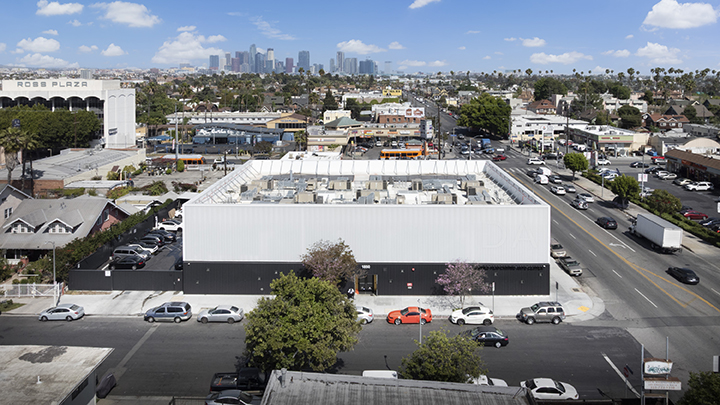
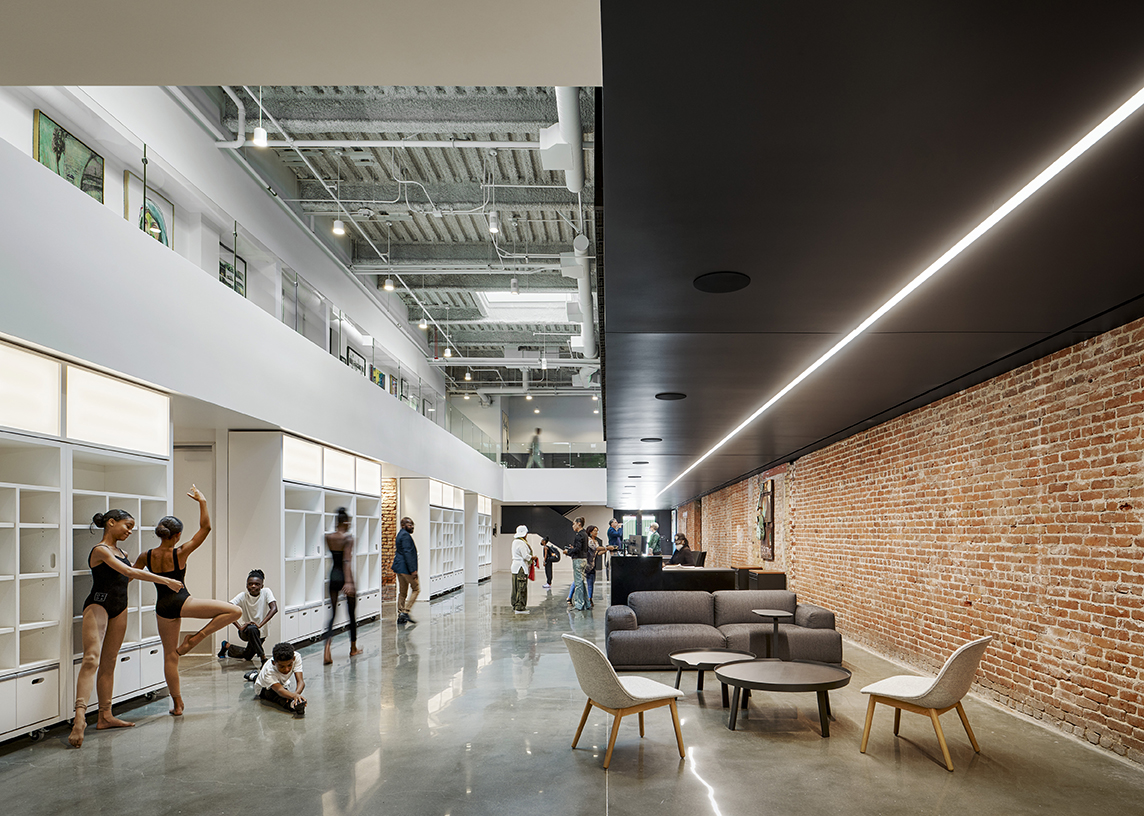
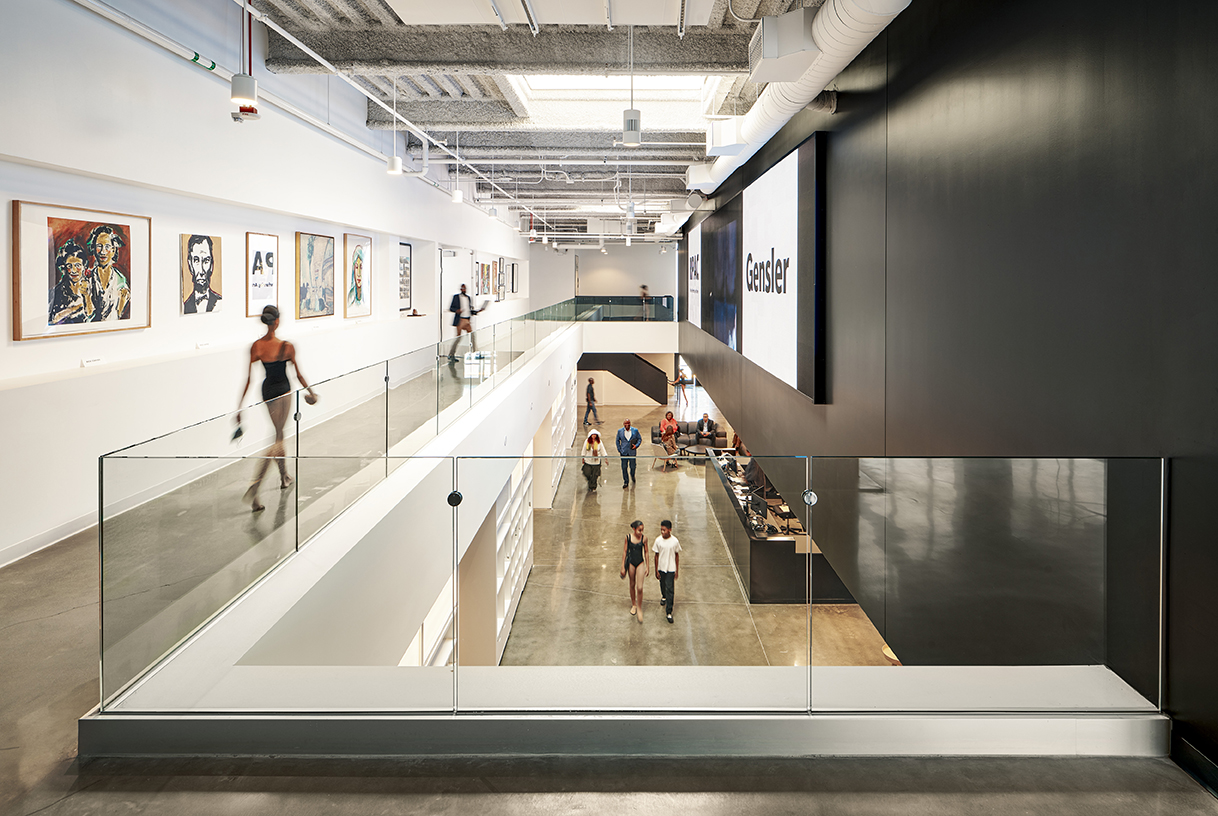
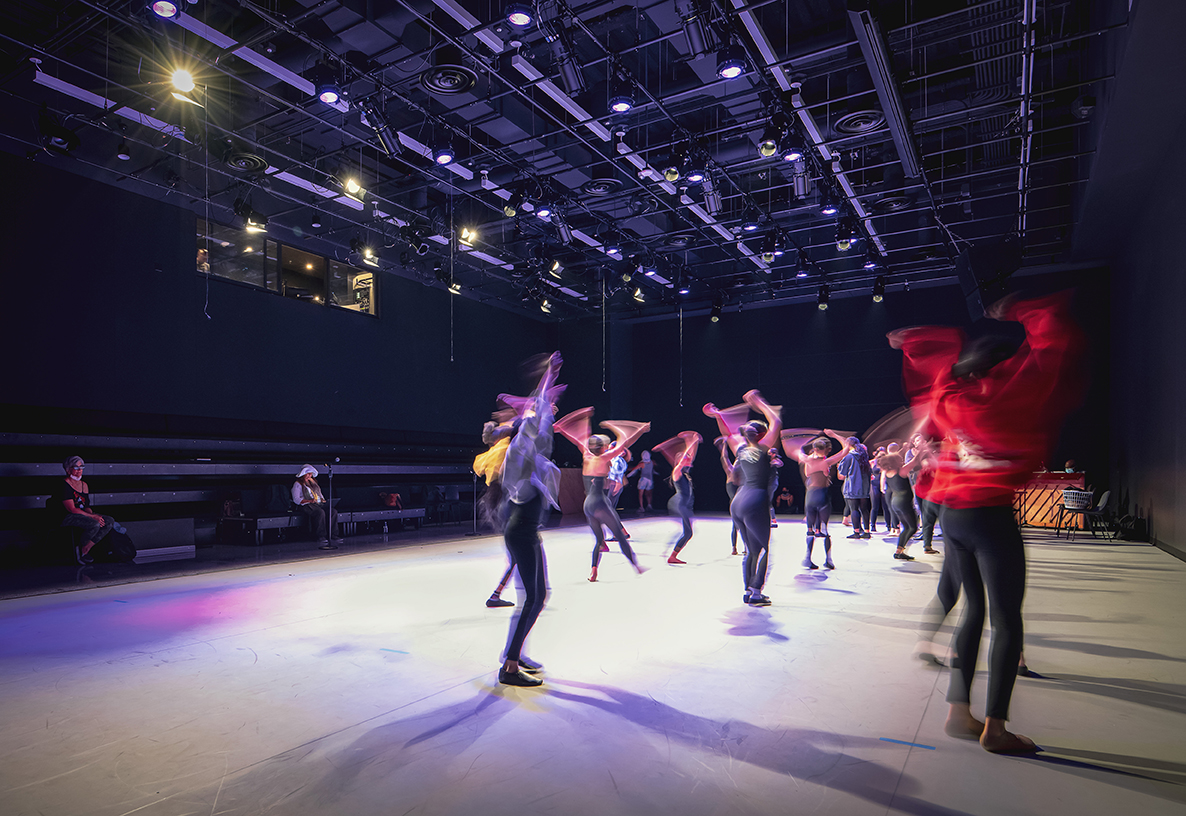
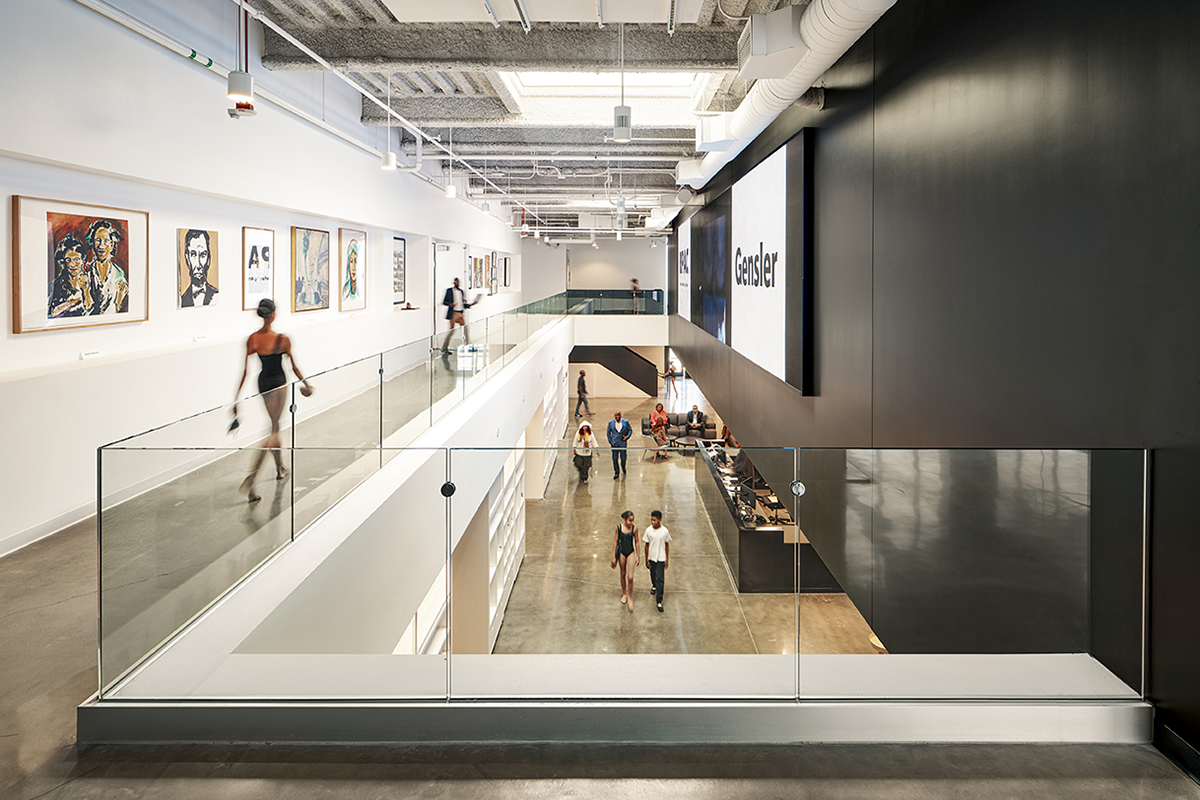
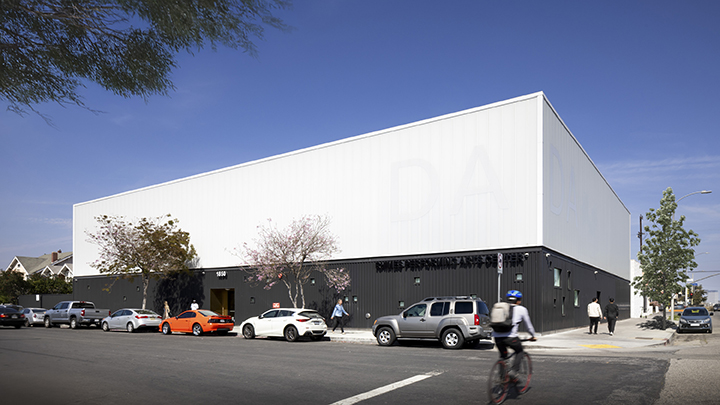
Gensler partnered with the Debbie Allen Dance Academy to design its new Shonda Rhimes Performing Arts Center, a top-tier arts venue that supports the nonprofit organization’s commitment to expanding the reach of dance and theater arts to enrich the lives of young dancers in the Greater Los Angeles area. The design team transformed and added to a former warehouse in Mid-City to create a two-story dance center and performance space, equipped with state-of-the-art amenities, a studio theater, and lobby and gallery areas that encourage dancers to gather and socialize.

The new 25,000-square-foot performing arts facility triples DADA’s space, expanding from four dance studios to five, larger studios, and also features classrooms, larger staff workspaces and student locker rooms, and a second-level outdoor terrace. At night, the second-story addition, featuring channel glass walls, acts as a lightbox beacon that glows to showcase the dancers inside, creating a captivating billboard for dance.

//jury comments

Elegant adaptive reuse, this project exemplifies the potential of a genuinely transformative architectural renovation. Beautiful open spaces on the interior are well-considered and allow for a flexible range of community-based programs. The building provides a wonderful performance and community space for the for the community.
//framework for design excellence measures
Measure 1: Design for Integration
This project began with Debbie Allen’s vision to expand the reach of the Debbie Allen Dance Academy (DADA) and provide a permanent home for dance, performance, and community engagement in the heart of Los Angeles. The goal was to create a space that supports artistic excellence while reflecting DADA’s mission to make the arts accessible to all. Through the adaptive reuse of three 1921 brick warehouses, the design preserves the site’s historic character while introducing a glowing, translucent second-story volume that symbolizes the creativity within. The building is designed for flexibility—studios double as classrooms, rehearsal spaces, and performance venues, while the lobby functions as a pre-function area, gallery, lounge, and rehearsal space. Movable partitions allow spaces to adapt to changing program needs. Sustainability was integral to the design, incorporating preserved brick, modular steel framing, rooftop solar panels, and reused furniture and materials. Since opening, the center has tripled student capacity, launched new programs, and opened a charter middle school, integrating arts and academics. It has created jobs, activated local businesses, and become a cultural anchor for the community. For DADA, the project is both a realized vision and a foundation for future impact.
Measure 2: Design for Equitable Communities
The design process embraced community engagement by ensuring the space would serve both DADA and its surrounding neighborhood. Local organizations regularly use the facility for meetings and events at no cost, reinforcing its role as a shared resource. DADA also hosts an annual free community block party, offering dance lessons, food, and games, fostering connection and celebrating the arts with residents of all ages.
Measure 3: Design for Ecosystems
This project promotes health by creating a safe, uplifting, and movement-centered environment that supports physical, mental, and emotional well-being. The design encourages active lifestyles through spacious studios for dance and exercise, while natural light, fresh air circulation, and non-toxic materials contribute to a healthy indoor environment. Free classes for seniors and cancer patients provide therapeutic movement and social connection, supporting recovery and reducing isolation. Flexible community spaces promote mental wellness by fostering belonging, creativity, and joy. By integrating wellness into both its design and programming, the project makes health a core part of its mission and impact.
Measure 4: Design for Water
The project incorporates a comprehensive water conservation strategy by installing low-flow plumbing fixtures throughout the facility. All faucets, toilets, and showerheads are selected to meet or exceed EPA WaterSense standards, which ensure high performance while significantly reducing water use. These fixtures are designed to minimize water consumption without compromising user comfort or functionality, contributing to long-term operational efficiency and environmental responsibility. By integrating these high-efficiency systems into the design, the project aligns with broader sustainability goals and helps reduce strain on local water resources. This thoughtful approach reinforces the academy’s commitment to environmental stewardship.
Measure 5: Design for Economy
This adaptive reuse project stays within the original warehouse footprint and features a flexible design where spaces serve multiple purposes—the lobby functions as a gallery, lounge, and rehearsal space, while studios shift between performance, classroom, and meeting use. It incorporates existing brick walls, modular steel members, and recycled materials, including reused furniture, to reduce environmental impact. The project supported local small business owners during construction and now activates the surrounding neighborhood by drawing new energy, creativity, and community engagement to the area.
Measure 6: Design for Energy
The building integrates sustainable systems to maximize efficiency and comfort. A translucent insulated polycarbonate façade with operable shades enhances daylighting and thermal performance. Rooftop solar panels support renewable energy, and low-flow plumbing fixtures conserve water. Heating and cooling are provided by efficient rooftop heat pump units with economizers and duct silencers, designed to meet strict energy and noise standards. Electric tankless water heaters and pressure-regulating valves further reduce resource use, while the electrical system supports site lighting and EV charging—advancing the project’s commitment to environmental responsibility and long-term resilience.
Measure 7: Design for Well-Being
The project meets MERV 13 or better air filtration standards, ensuring clean indoor air and reducing airborne contaminants for occupants. High-efficiency filters are integrated into the HVAC system to support respiratory health and overall wellness. In addition, all paints, coatings, adhesives, sealants, and finish materials meet low-VOC standards, minimizing off-gassing and improving indoor air quality. Combined with natural ventilation strategies and daylighting, these measures create a healthy, comfortable environment that supports both performance and well-being, particularly important for a facility dedicated to physical activity and creative expression.
Measure 8: Design for Resources
The conversion of three single-story brick warehouses into a 25,000-square-foot, two-story dance studio, performance arts center exemplifies innovative design for efficiency and impact. By preserving portions of the original brick walls and reimagining existing structures, the project reduces embodied carbon by 30 to 50 percent—an estimated 6 to 8.5 million kg CO₂e. Flexible studio spaces, operable walls, and rooftop solar panels support a mission-driven approach to sustainability, creativity, and community, aligning the architecture with the performing arts center’s commitment to access, expression, and environmental responsibility.
Measure 9: Design for Change
The performing arts center is designed for long-term adaptability and resilience. As an adaptive reuse of three 1921 warehouses, it features flexible open plans, operable walls, and movable partitions to support changing uses. Durable, non-combustible materials enhance safety, while rooftop solar panels and recyclable materials promote sustainability. The polycarbonate upper façade maximizes daylight and visibility. Designed to serve as a passive refuge in emergencies, the building supports community use beyond performance. Its infrastructure accommodates future reconfiguration, ensuring it remains responsive to evolving social, economic, and environmental needs.
Measure 10: Design for Discovery
Rooted in community-driven impact and guided by a long-term, sustainable vision, the Debbie Allen Dance Academy ensures its influence reaches far beyond its walls. Through adaptive reuse, inclusive programming, and a commitment to equity, DADA creates a vibrant, accessible space where dance, education, and wellness intersect. The facility not only supports artistic excellence but also fosters belonging, healing, and empowerment—especially for historically marginalized communities. As a cultural anchor and creative hub, DADA continues to shape a future where the arts remain a powerful force for opportunity, connection, and lasting transformation.
Skip to content