
Bearing House

Image featured

The Bearing House was designed as a retirement home for a couple in their late seventies. This loving pair moved from New York to Los Angeles in order to be reunited with their children, grandchildren, parents, and siblings; a close-knit family of thirty-two people.

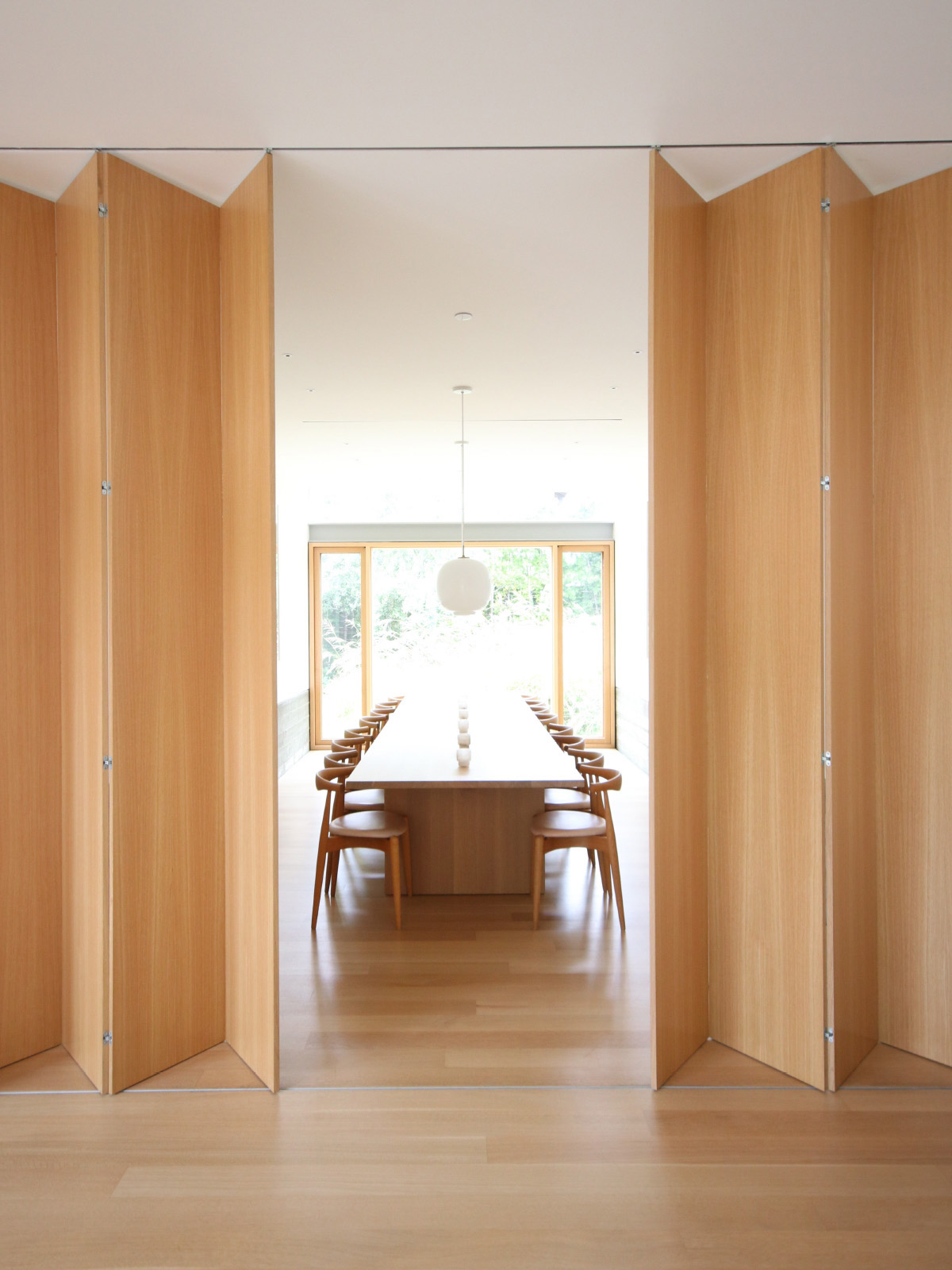
The couple wanted to “bear” the responsibility of providing a space for family gatherings and requested that the house be designed around a dining table that could sit the thirty-two family members. Our goal was to provide them with this extensive space, while simultaneously creating an intimate living area for two people.

The other component to the design was to address their nostalgia for their original dream of retiring on a farm on the east coast. They spoke passionately of barns on masonry bases rising out of green pastures that were a trademark of upstate New York.

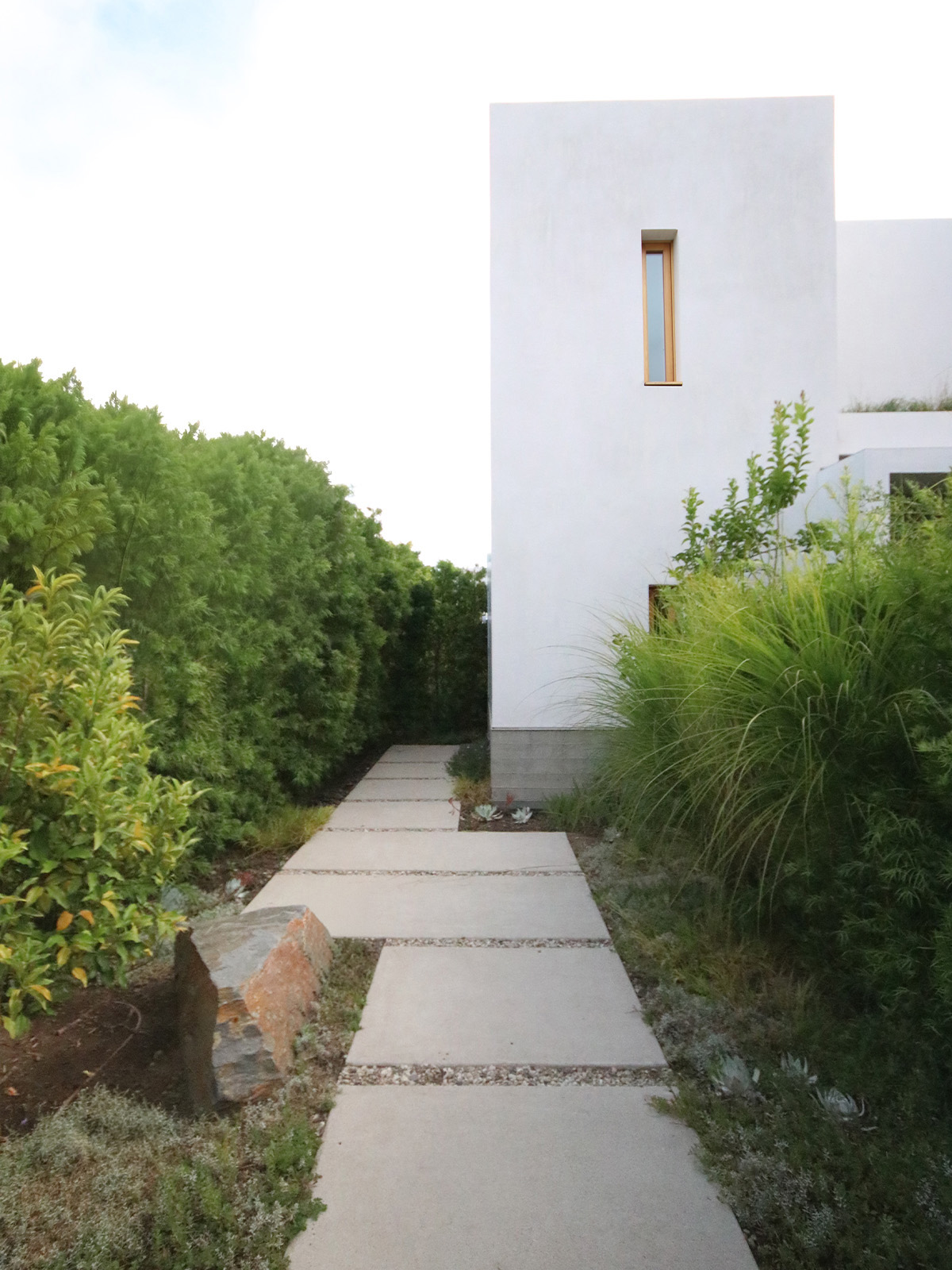
The house is a modern translation of these “bearing” structures that sit comfortably and securely in their abundant landscape. Creating this oasis on a small, infill property, with dining for thirty-two people was the challenge.

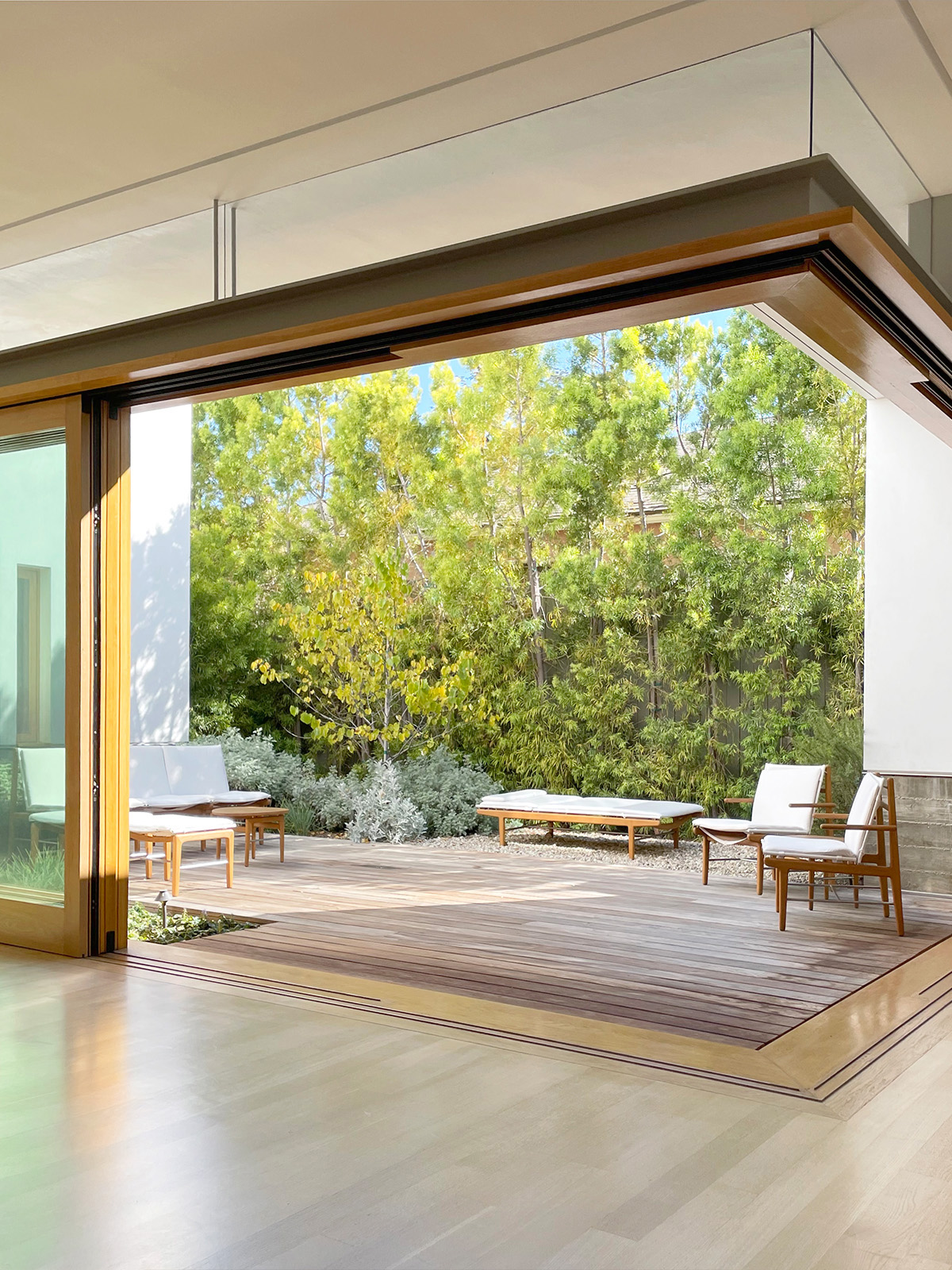
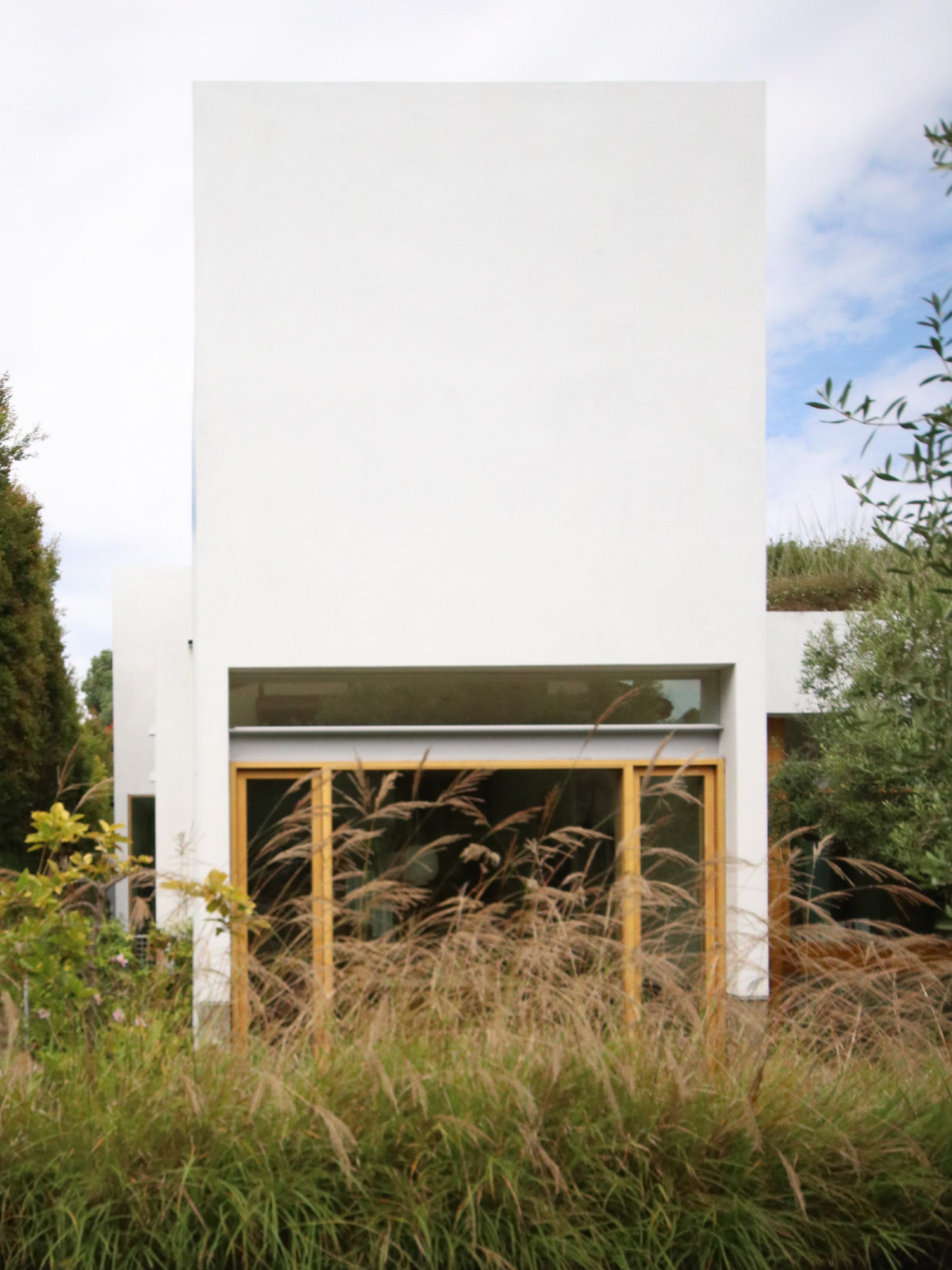
We created a concrete base as the “bearing” structure that opened at moments to create the large dining space and to bring in the varied landscapes of the front yard, courtyard and backyard. To enhance the connection to these landscapes we extended the interior ceilings as overhangs from clerestories that draw one’s eye out to green “pastures”. These overhangs not only provide shade and protection from rain outdoors,

but also cut down significantly on heat gain and eliminated the need for window coverings, allowing the couple to enjoy the views throughout the day.

The integrated gutter system and rain chains allowed us to accomplish this while still maintaining a slim, flat roof – our modern translation of the beautiful sloping barn eaves

//comments

Simple, elegant, and nicely composed. This single-family residence is designed by someone who truly understands how to usher light into space; it adds to the understanding of architecture through unconventional approaches to window placement. Even the basement level is thoughtfully addressed and a nice space.
//project narrative
Measure 1: Design for Integration
The Bearing House was designed as a retirement home for a couple in their late seventies. The design was to address their nostalgia for their original dream of retiring on a farm on the east coast. They spoke passionately of barns on masonry bases rising out of green pastures that were a trademark of upstate New York. The house is a modern translation of these “bearing” structures that sit comfortably and securely in their abundant landscape. Creating this oasis on a small, infill property, with dining for a close-knit family of thirty-two people was the challenge.
Measure 2: Design for Equitable Communities
We collaborated closely with local artisans to bring craftsmanship and regional authenticity to the project. Skilled woodworkers crafted all windows and doors using locally sourced wood, ensuring quality, durability, and a connection to the area’s natural materials. Drawing inspiration from traditional Spanish architecture, local plaster artisans meticulously finished the entire house in hand-applied stucco. Their expertise not only enhances the building’s aesthetic but also ensures longevity in the marine climate. By prioritizing local talent and materials, the project supports the community, preserves regional craftsmanship, and strengthens the home’s relationship with its cultural and environmental context.
Measure 3: Design for Ecosystems
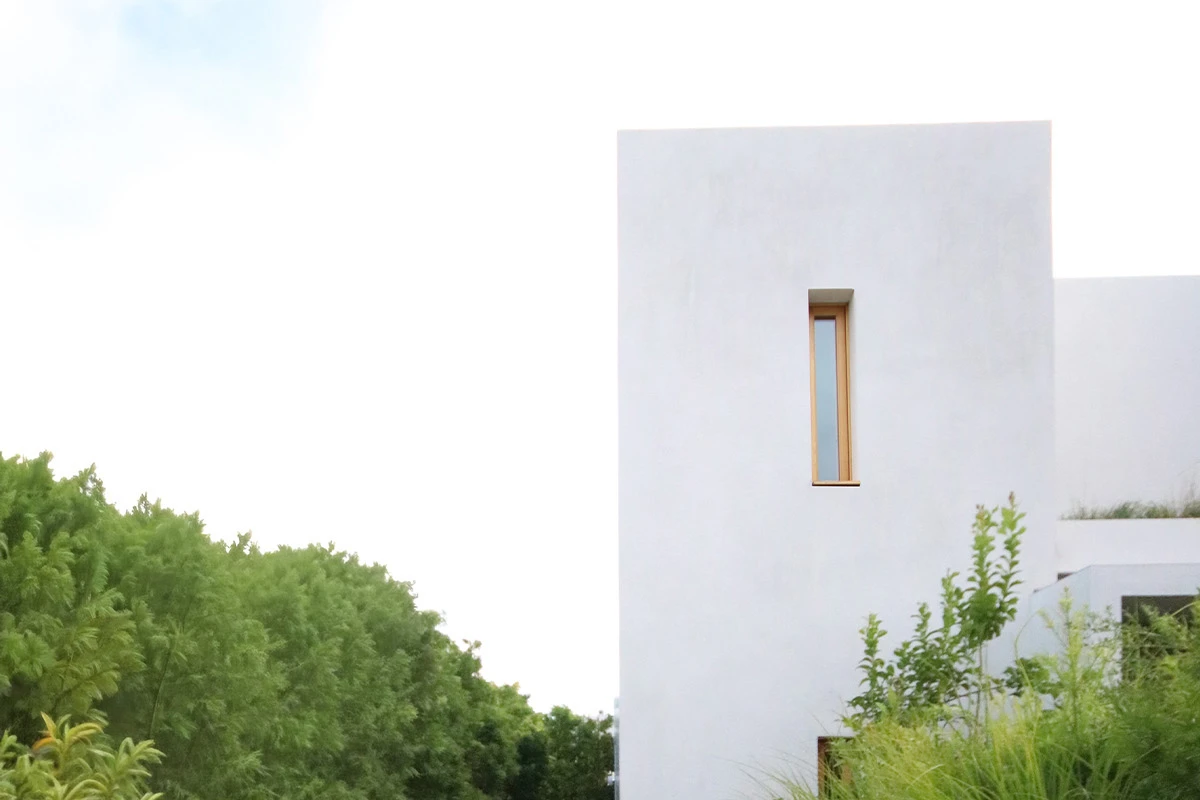
The design considers local ecosystems by incorporating native plants that support biodiversity and promote ecological resilience. The large front garden and central courtyard create green spaces that provide habitat for pollinators and improve air quality. The building utilizes small aperture windows on the front facade in order to minimize light pollution while still allowing ample natural light to enter through the courtyard and strategically placed skylights. By integrating these elements, the project fosters a harmonious connection between the built environment and the surrounding ecosystem, enhancing both environmental sustainability and aesthetic value.
Measure 4: Design for Water
The project effectively manages water runoff by incorporating multiple sustainable strategies. The green roof absorbs rainwater, reducing runoff while providing natural insulation. Stormwater is designed to stay on-site, replenishing groundwater rather than overwhelming municipal drainage systems. Abundant plant material, including native landscaping, helps absorb and filter rainwater, promoting ecological balance. A rain chain directs water from the roof to the ground, slowing its flow and reducing erosion. Permeable pavers allow water to seep into the soil rather than running off into streets. These elements work together to create a resilient, environmentally responsible approach to water management.
Measure 5: Design for Economy
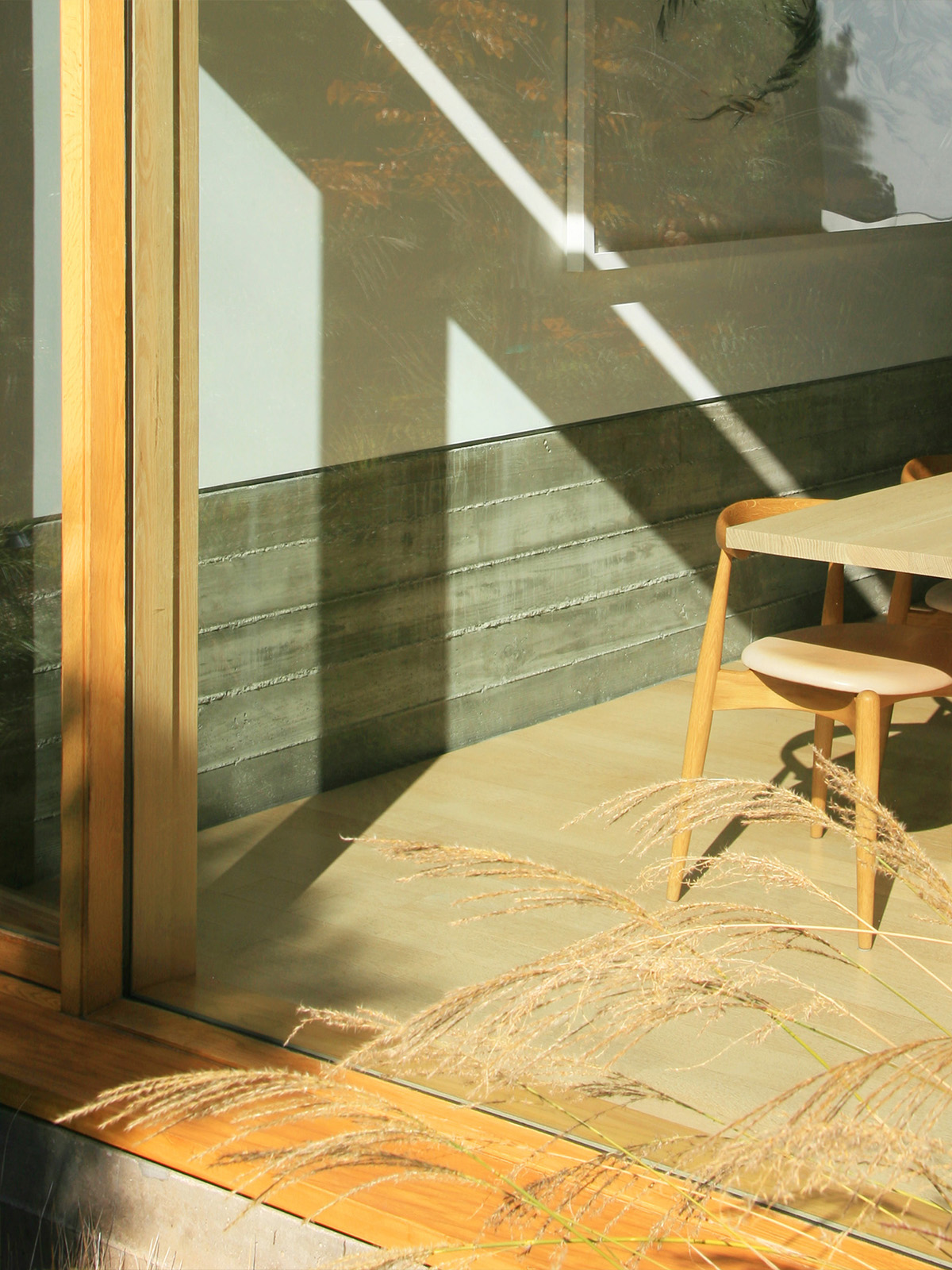
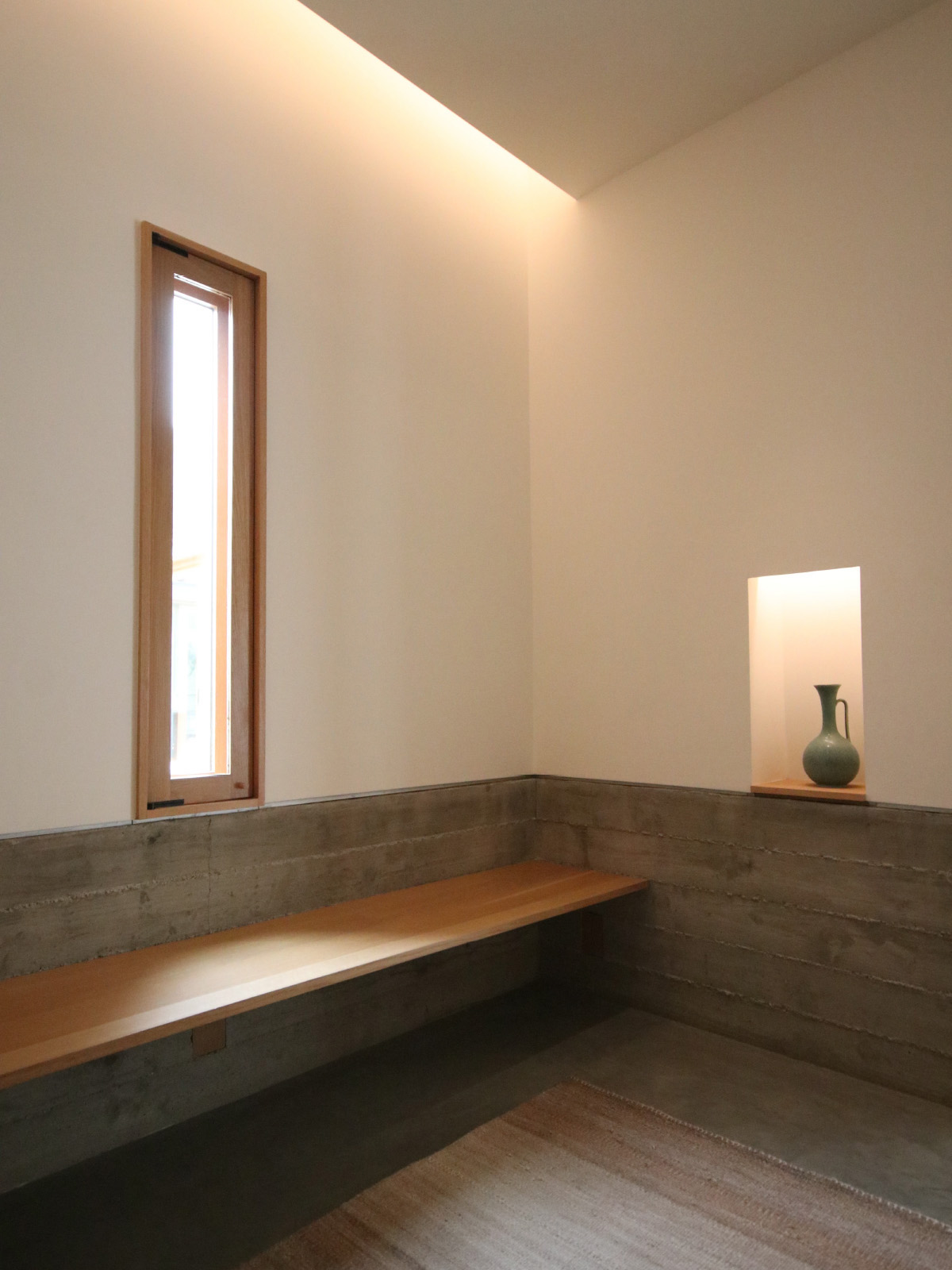
The project incorporates economic strategies by prioritizing flexibility, durability, and cost-effective materials. The central courtyard serves as a multifunctional space, reducing the need for additional built areas while enhancing indoor-outdoor living. The exterior plaster finish is an economical choice for Southern California’s climate, offering weather resistance, insulation, and low maintenance. Recycled wood was used to form the concrete, reducing waste and cost. Overhangs were added over large glazing units to minimize the need for expensive UV-resistant glazing. By integrating flexible design and cost-efficient materials, the project ensures affordability, sustainability, and long-term value for homeowners.
Measure 6: Design for Energy
The design minimizes energy usage through a combination of passive and active strategies. Abundant daylight, provided by skylights and a south-facing courtyard, reduces reliance on artificial lighting, lowering electricity consumption. Strategically placed overhangs shade large glazed areas, reducing heat gain and heat loss, improving thermal comfort and energy efficiency. Solar panels harness renewable energy, decreasing dependence on the grid and promoting sustainability. A green roof further enhances insulation, reducing heat gain and cooling demands. Together, these strategies create an environmentally responsible, energy-efficient home that lowers its carbon footprint while ensuring year-round comfort.
Measure 7: Design for Well-Being
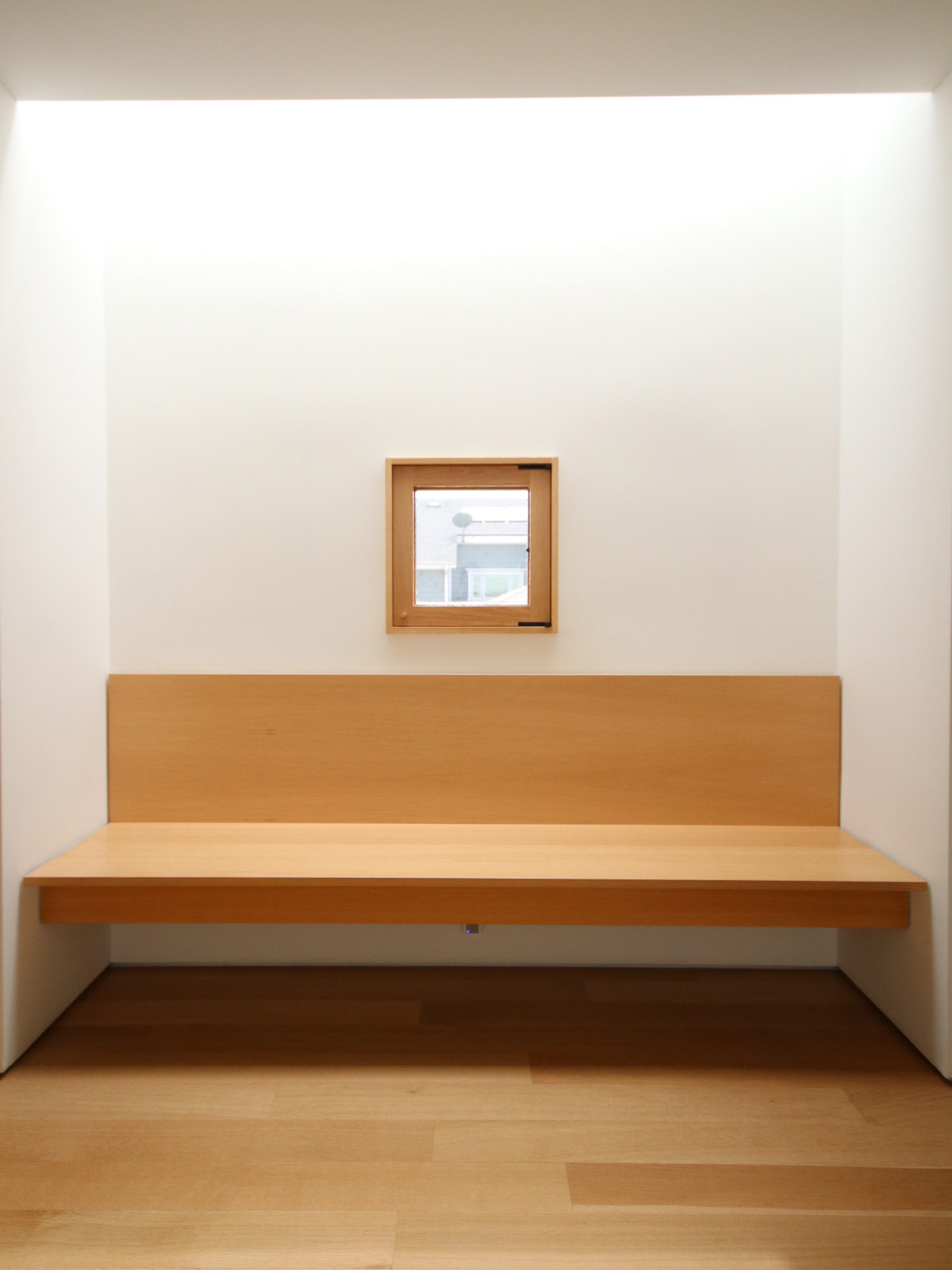
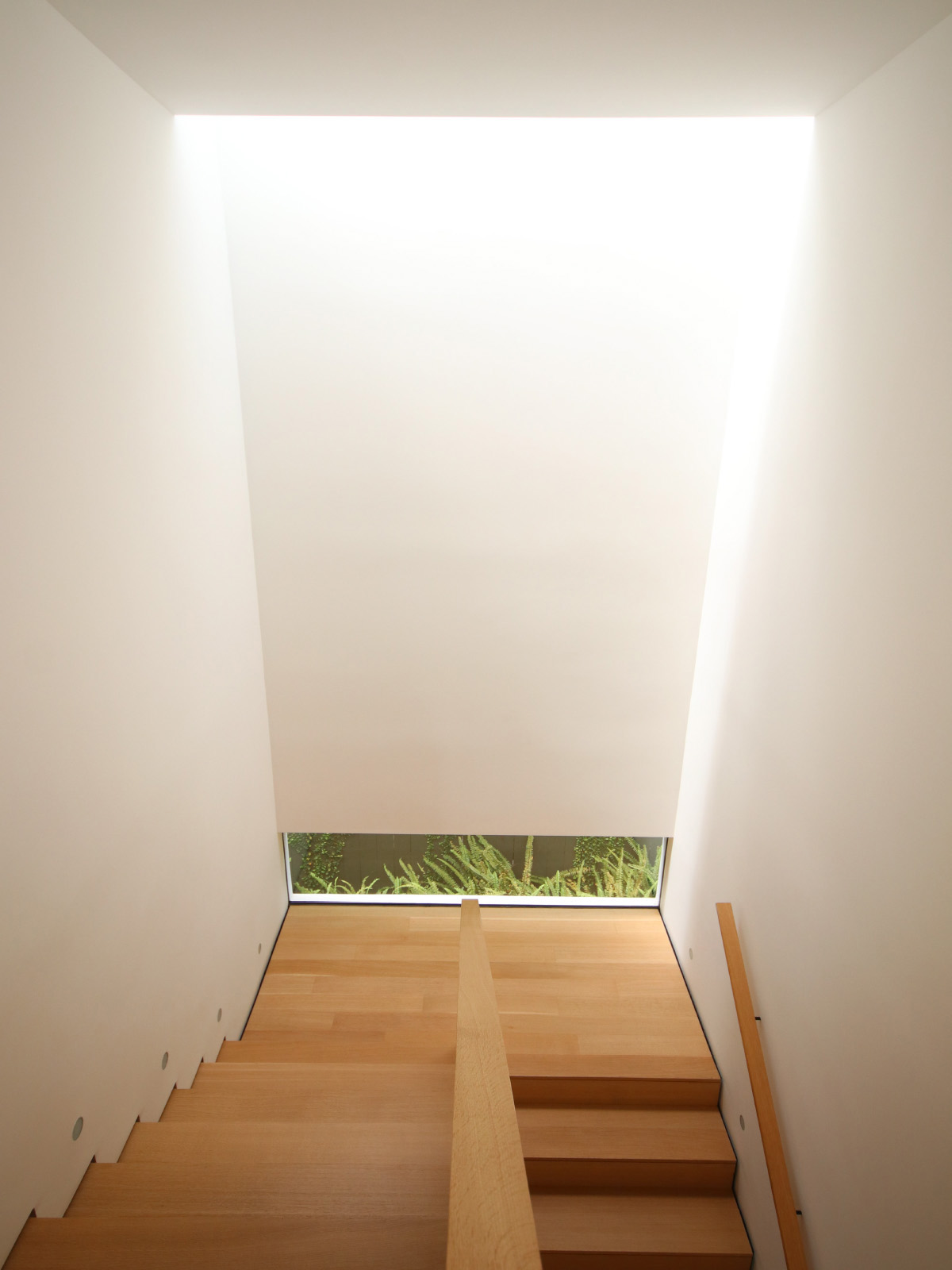
The project prioritizes well-being through thoughtful daylighting and ventilation strategies that enhance comfort and health. Skylights, including one above the main staircase, flood the interior with natural light, promoting a sense of openness and connection to the outdoors. A lightwell brings daylight and ventilation to the basement, ensuring fresh air and a healthy indoor environment. The south-facing courtyard maximizes sunlight exposure, supporting natural circadian rhythms and reducing reliance on artificial lighting. Passive ventilation through the central courtyard promotes airflow, cooling the home naturally, creating a healthier, more comfortable living space that supports overall well-being.
Measure 8: Design for Resources
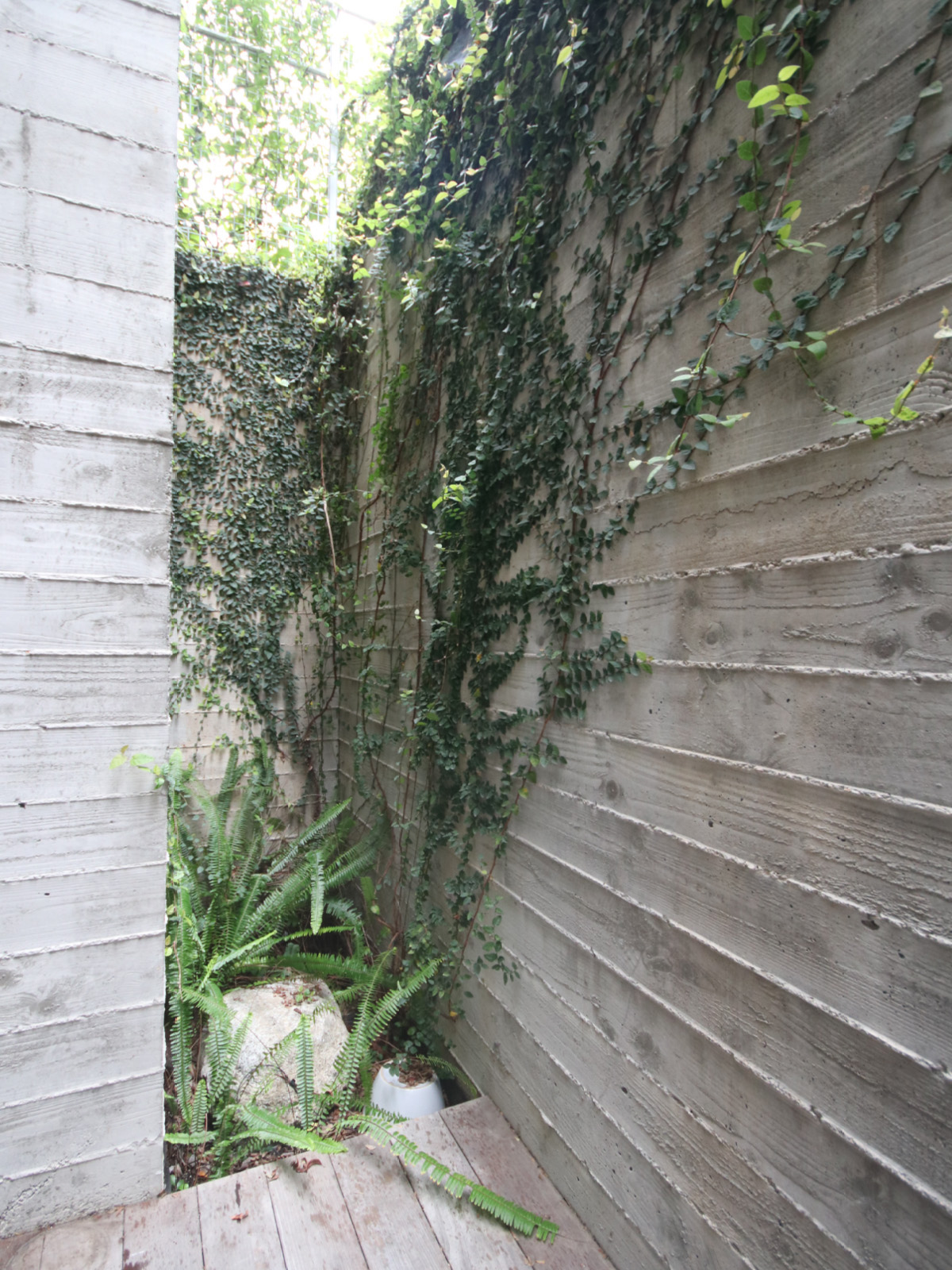
The project prioritizes sustainability by using durable materials suited to the marine climate. Plaster, applied by local artisans, was chosen for its longevity, fire resistance, and ability to withstand coastal conditions. The foundation extends into a low wall, preventing deterioration at the building’s base and reducing maintenance costs. Recycled wood boards were used for the concrete formwork, minimizing waste and cost. Local artisans crafted all the windows and door frames, ensuring quality and reinforcing regional craftsmanship. By integrating resilient materials, local craftsmanship, and sustainable strategies, the project ensures durability, efficiency, and long-term cost savings while harmonizing with the natural environment.
Measure 9: Design for Change
The project is designed with future-proofing strategies to ensure long-term resilience and sustainability. Fire-resistant materials, such as stucco and concrete, enhance safety and durability, reducing the risk of fire damage in an evolving climate. Ecoresiliency is prioritized through native plantings, a green roof, and permeable surfaces that support biodiversity, manage stormwater, and mitigate urban heat effects. Passive ventilation and daylighting strategies, including a central courtyard, skylights, and a lightwell, reduce energy consumption while maintaining indoor comfort. These elements create a home that is adaptable to environmental challenges, ensuring efficiency, safety, and sustainability for years to come.
Measure 10: Design for Discovery
The Bearing House design was shaped by a close, collaborative relationship between the designers and the clients, reflecting their goals and aspirations. Understanding the couple’s need for both intimate spaces and room for large family gatherings, the design prioritized flexibility and connection. Expansive views and abundant natural light create a sense of openness while maintaining privacy. The modern interpretation of the couple’s nostalgic vision—blending farm-inspired elements with contemporary design—reflects their personal story, ensuring that the home evolves with them and their family for years to come.
Skip to content