
Hillsborough Residence

RO ROCKETT DESIGN ADAM ROUSE HILLSBOROUGH CAROLANDS copy

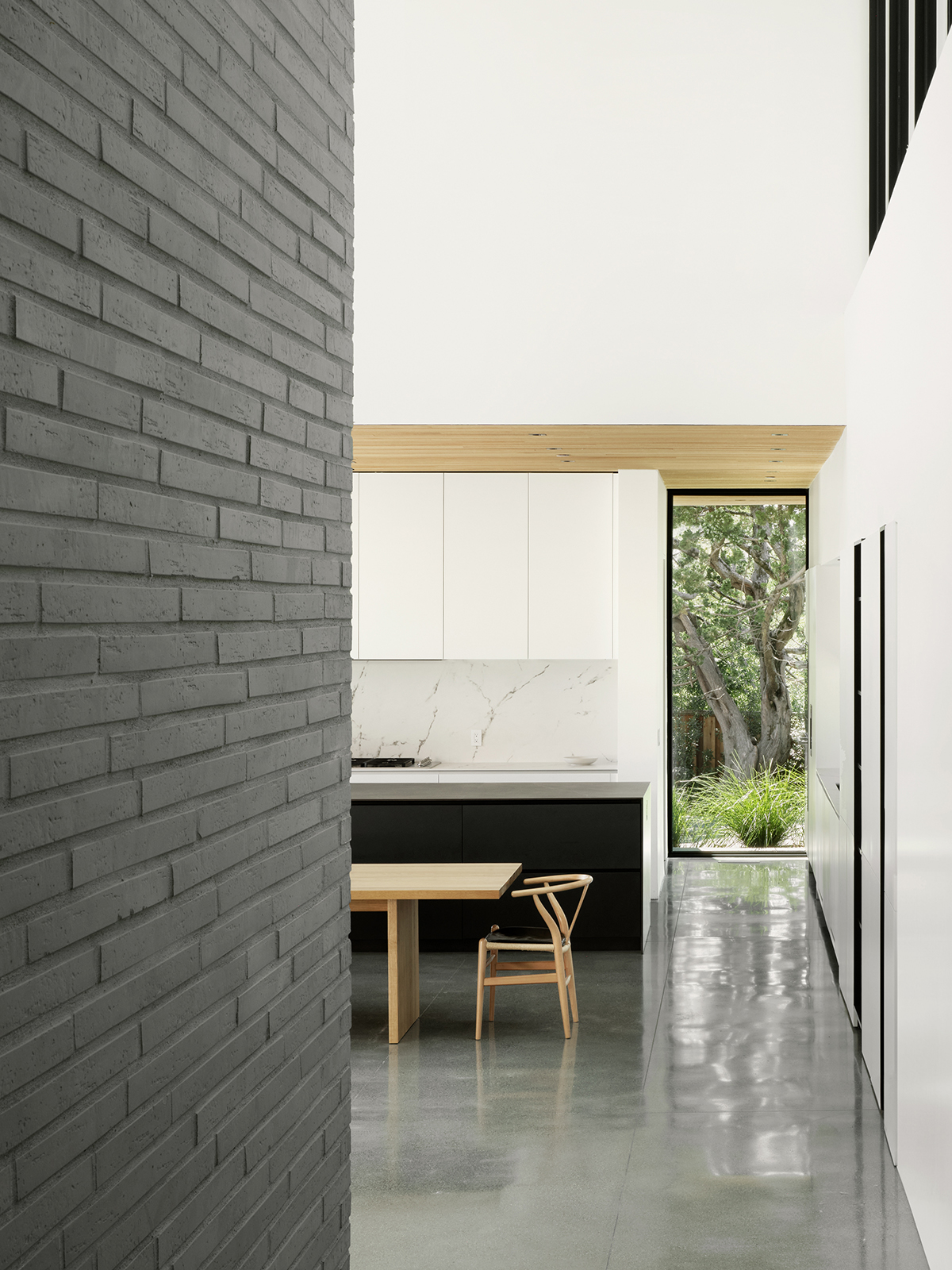
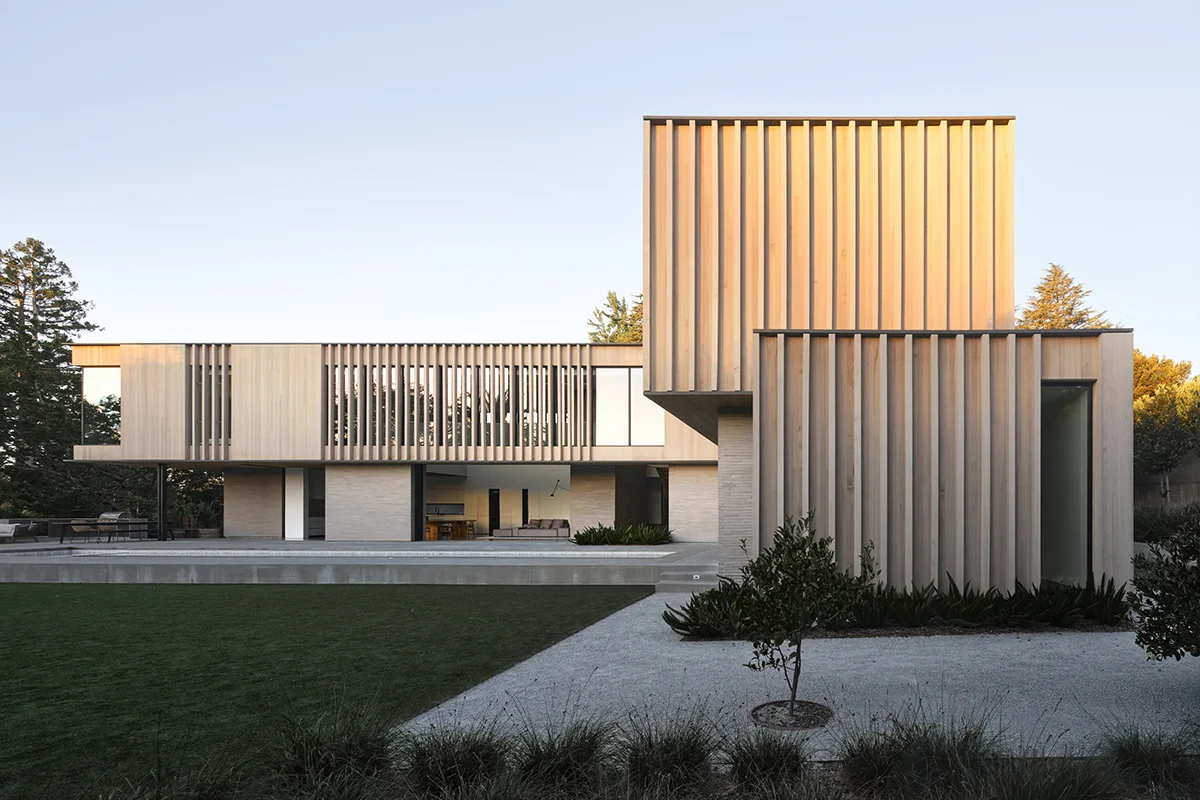
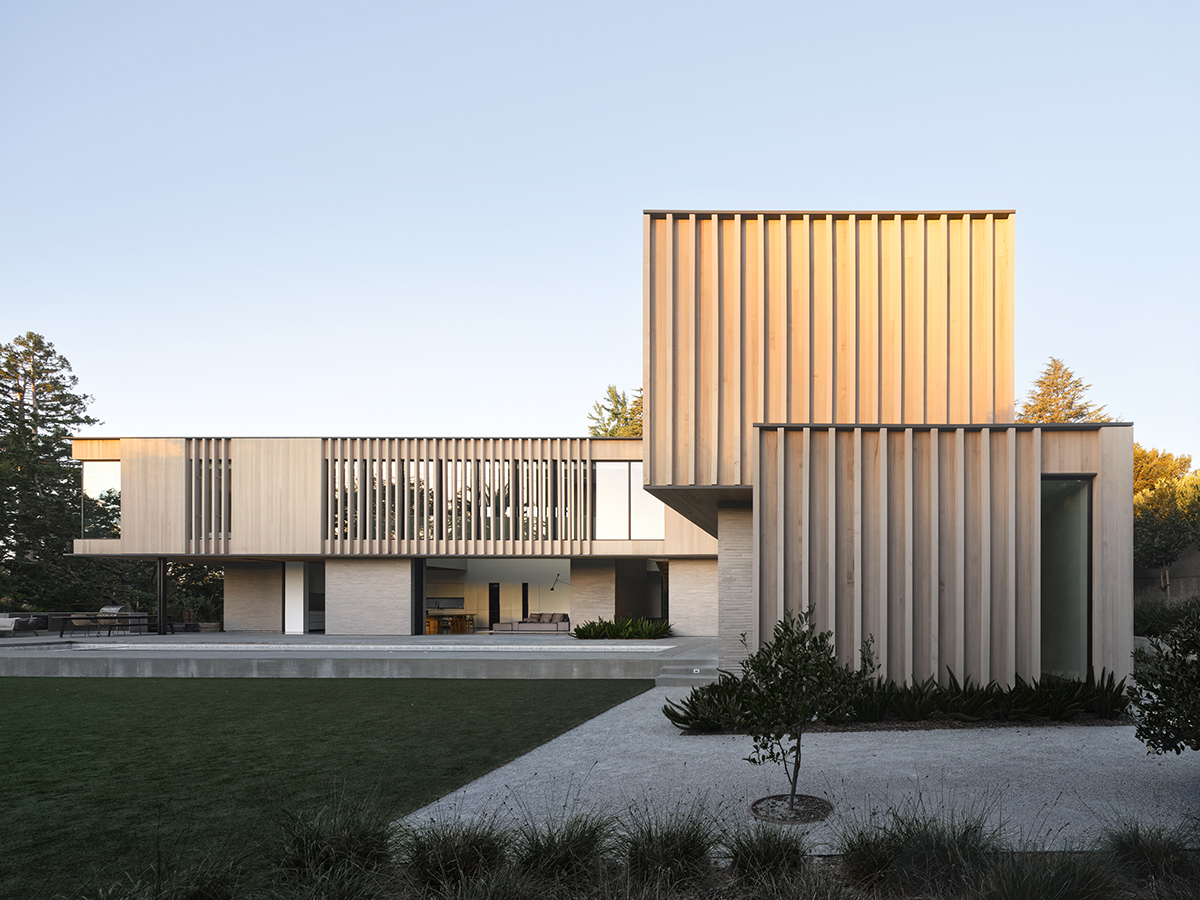
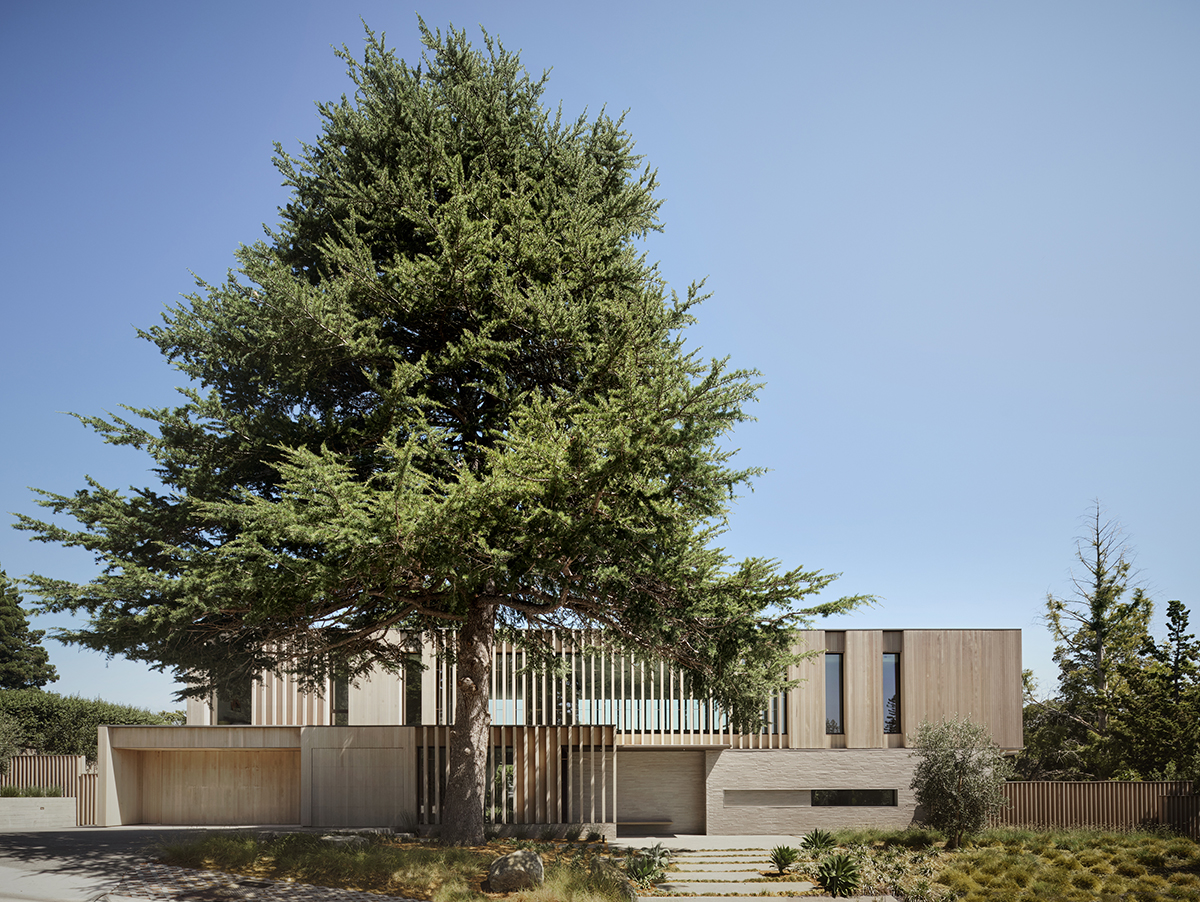
Adjacent the classical Carolands Chateau, stands this modern abode designed for an active family of six. The design maximizes its flat site by lifting the quiet programs off the ground to float above the activity. Service areas are nestled within a masonry plinth, reminiscent of the neighboring Chateau’s organization and rustic foundation.

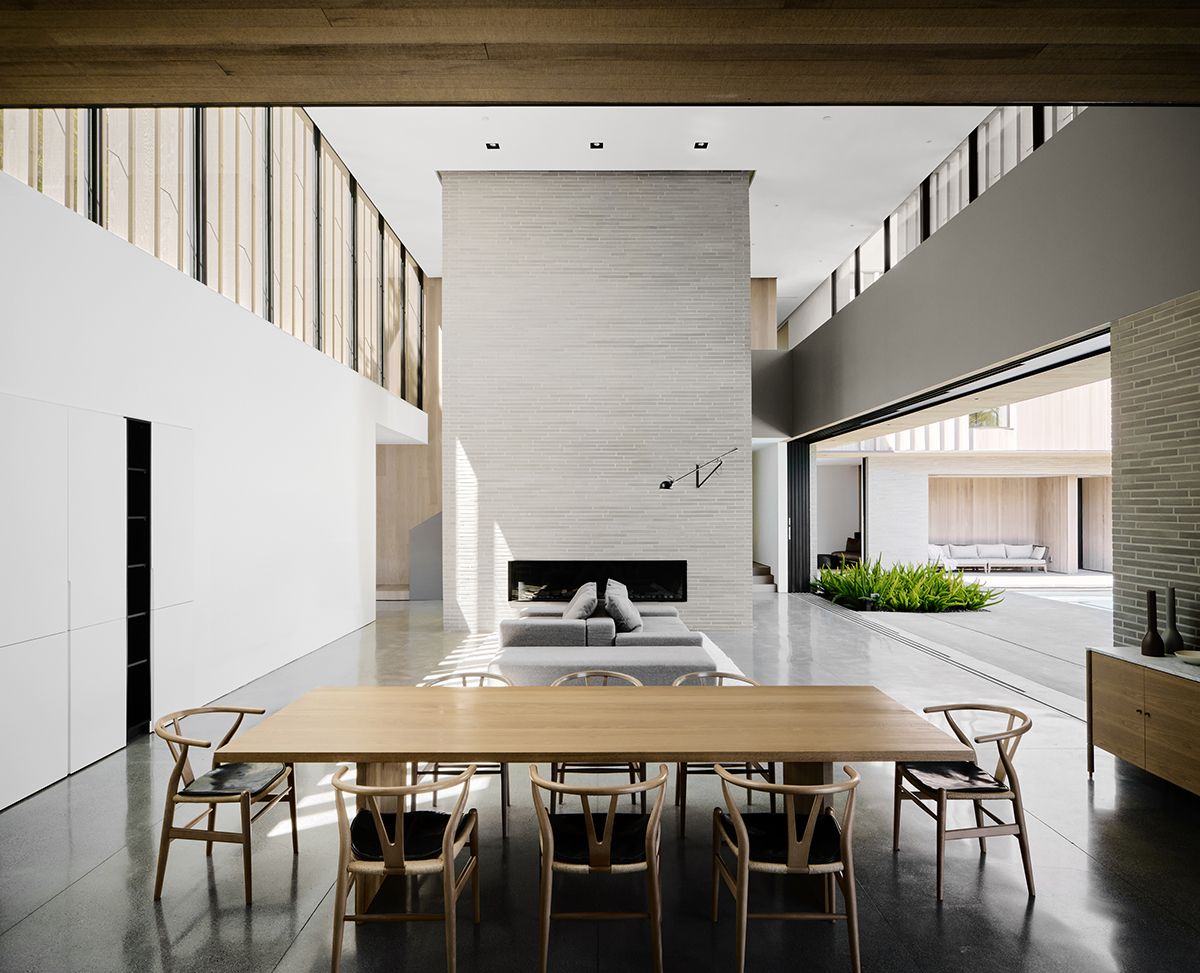
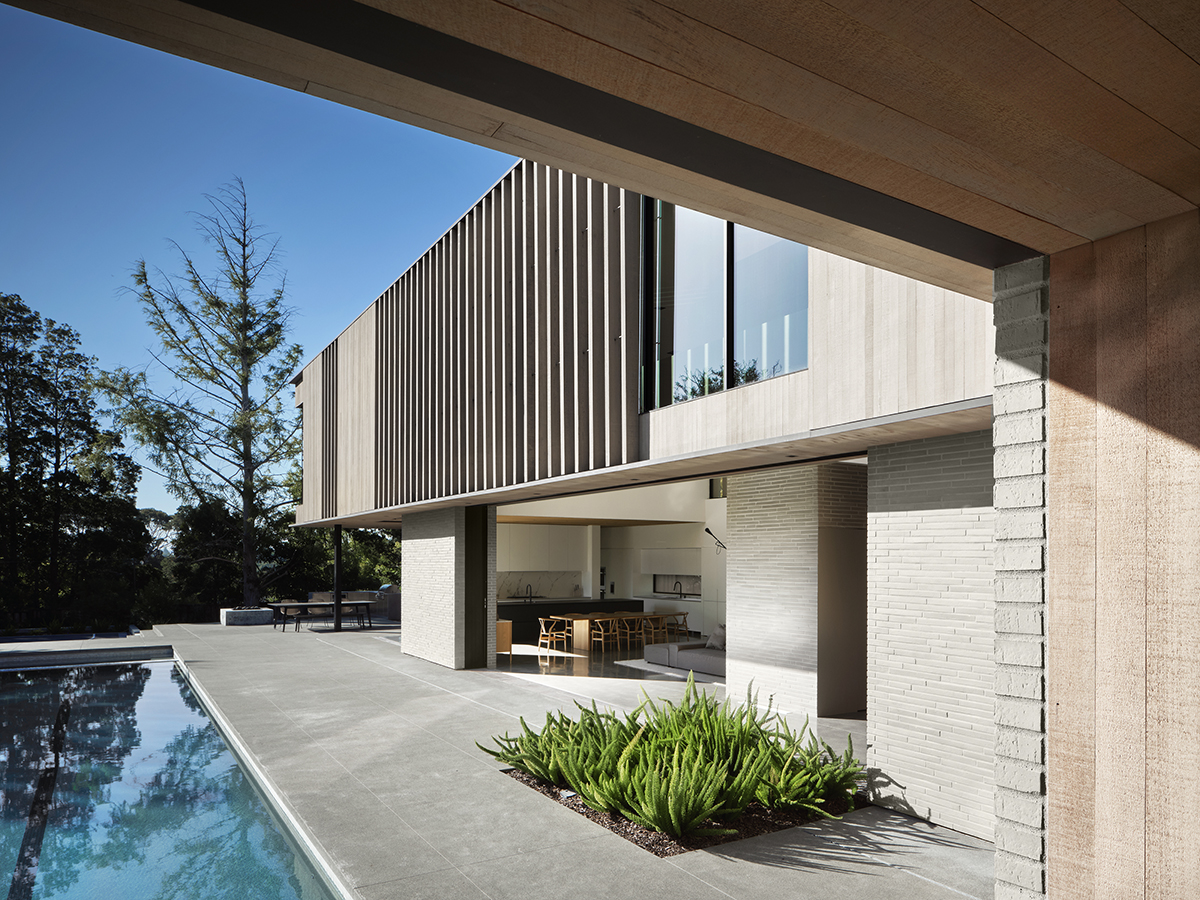
The heart of the design concept is the arrangement of spaces, where primary public areas are gathered within a double-height core. Floor-to-ceiling doors seamlessly connect the interior with the exterior, inviting the lush surroundings and outdoor programs into the living experience and vice versa. When doors retract, the upper wooden-clad volume transforms into a welcoming canopy, embracing the concept of indoor-outdoor living in its purest form.

Material choice plays a pivotal role in shaping the character of the home, with wood as the protagonist in the narrative of warmth and sophistication. Adorning the exterior, wood cladding not only adds visual appeal but also serves a functional purpose, moderating views, sunlight, and privacy. Its rhythmic modulation around the structure creates an interplay of light and shadow, lending an ever-changing aura to the living spaces throughout the day.

Beyond its aesthetic allure, the design ethos of the home is deeply rooted in functionality and sustainability. Every element is meticulously curated to enhance the living experience while minimizing environmental impact. From passive solar design principles that harness natural light and ventilation to the integration of energy-efficient technologies, every aspect is thoughtfully orchestrated to create a harmonious balance between luxury and eco-consciousness.

//comments

A thoughtful, well-crafted and detailed home. The scale, materials, and screen layering are very nice done. It’s a beautiful project.
//framework for design excellence measures
Measure 1: Design for Integration
The design of this home organizes the primary public spaces into a double-high core that connects to the outdoor by way of floor-to-ceiling, retractable glazing. During extreme weather, the spaces are enclosed, protected from the elements. During temperate weather (which is most of the year), indoor and outdoor spaces merge, welcoming airflow and passive cooling. Living quarters occupy the above canopy (second floor). Strategic glazing as well as vertical screening provide privacy where needed while optimizing views and protect from solar heat gain.
Measure 2: Design for Equitable Communities
Design documents were provided for neighbor and city review. Story poles were installed to confirm the preservation of neighbor views and understanding of building massing in relationship to the neighborhood. Existing trees were preserved to keep the well established neighbohood landscape, as well as minimally disturb native habitats.
Measure 3: Design for Ecosystems
The design implements drought tolerant landscaping, bird-safe glazing, and expansive overhangs to minimize hazards to wildlife. Existing trees and drought tollerant vegetation in good health were preserved, while non-native, decaying and non-drought tolerant vegation was removed. The design encourages outdoor living and activities such as gardening, promoting a connection to the regional landscape and greater community. Raised planter beds in the backyard are used for growing vegetables and polinator plants. Shielded exterior light fixures were used to abide by dark sky standards.
Measure 4: Design for Water
The residence utilizes high efficiency plumbing fixtures and instant water heating throughout to reduce energy and water consumption. Outside, the use of drought tolerant plantings reduce the need for watering/irrigation and minimize upkeep.
Measure 5: Design for Economy
The construction of the project employed local trades people as well as used local materials and products. Additionally, conducting extensive sun studies and using story poles was conducive to a highly intentional floorplan with maximum optimization. The design not only conserves energy costs and provides a clean, healthy environment but also offers ample recreational opportunities.
Measure 6: Design for Energy
Placement of programmatic elements were carefully considered. Sun studies were conducted during the schematic design phase in order to protect the home from solar heat gain and limit active cooling. Onsite solar PV array was installed on the roof. Vertical wood louvers are used to modulate direct solar gain, while allowing natural daylight.
Measure 7: Design for Well-Being
Low VOC materials were used throughout to promote a healthy indoor environment. Indoor areas double as outdoor spaces by way of full-height, fully operable doors, maximizing natural light, passive airflow and optimizing on the expansive views. Care was used to source timeless, local and long-lasting materials that require minimal maintenance, durable stone, and FSC certified wood for the rainscreen will weather gracefully while supporting a long lifespan. Sun studies were conducted during the schematic design phase in order to protect the home from solar heat gain and limit active cooling.
Measure 8: Design for Resources
The design uses locally sourced, natural, and unprocessed interior and exterior finishes. High quality materials and timeless design were used for longevity. Structual steel was used for the main structural skeleton, while wood framing provided the remainder of the structure.
Measure 9: Design for Change
The most likely hazardous event in this region is wildfire. All fire mitigation code requirements were met. Strategies to avoid fire include using non-flammable materials along the lowest level, where the building meets the ground. Existing trees within 10 feet of the building perimeter were removed, and new landscaping was introduced away from the building.
Measure 10: Design for Discovery
Since completion, the residents have expressed to us their unforeseen favorite feature of the house. The bridge along the double high space provides privacy & acoustic separation between the primary suite and secondary bedrooms. It also provides multiple vantage points both into and out of the home granting the children a sense of freedom while also being observed from afar. Often, the children can be found tossing paper airplanes and toy paratroopers down to the floor of the great room below, offering countless hours of entertainment.
Skip to content